Wolf Performing Arts Center: The Life Skills Kids Learn Through Theatre
Long before the curtain rises, something else is happening backstage at Wolf Performing Arts Center — kids are building the exact skills that help them thrive once the school bell rings.
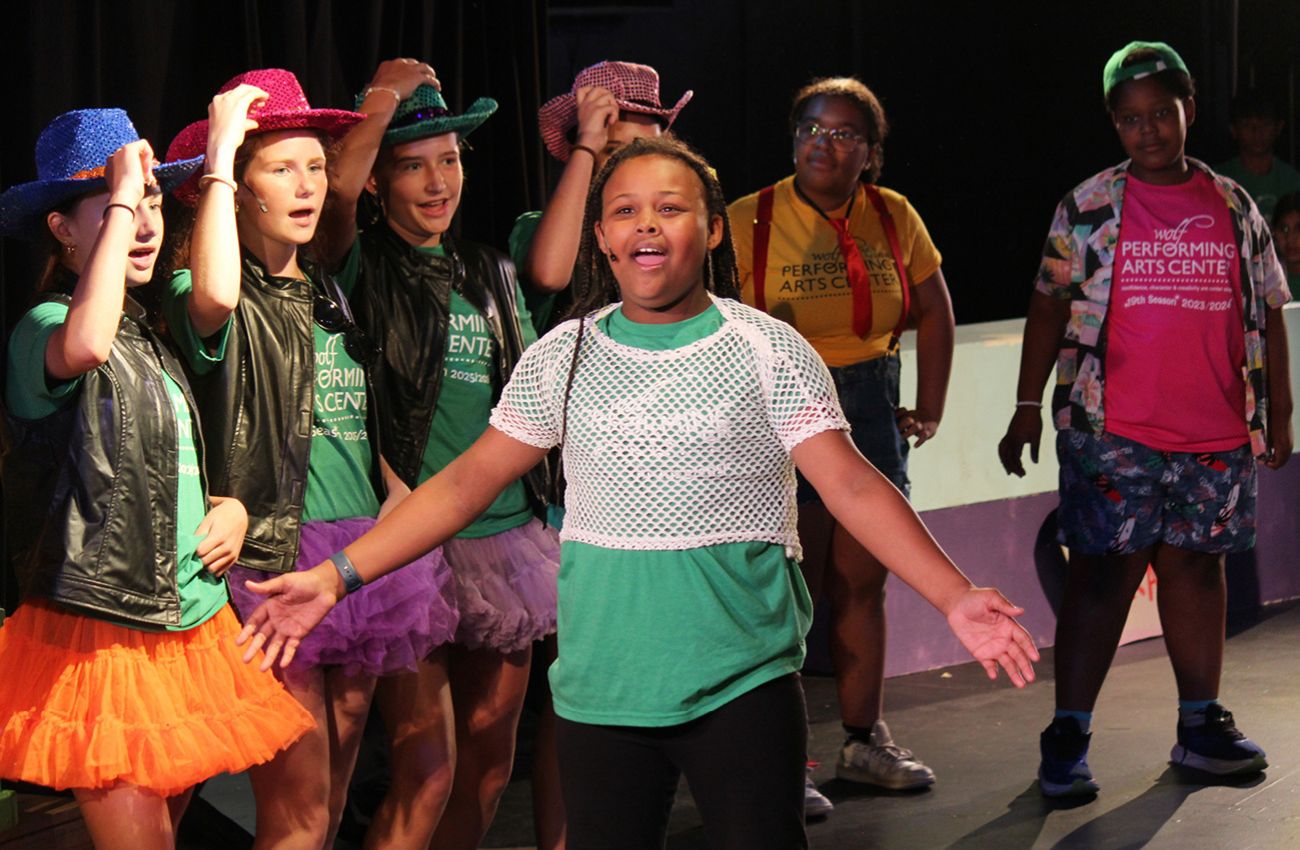
Parents across Bryn Mawr, Wayne, Villanova, Ardmore, and the surrounding Main Line towns often enroll their children in theatre programs because they love to sing, dance, act, or perform. But according to instructors at Wolf Performing Arts Center, something even more valuable is happening behind the scenes. Every rehearsal, class, one-on-one lesson, dance combination, and performance becomes an opportunity for children to develop life skills that extend far beyond the stage — and straight into the classroom.
Why Families Are Turning to Educational Theatre
At Wolf Performing Arts Center, educational theatre is built on the belief that the process of learning is just as important as the final performance. Students are encouraged to build confidence, think creatively, collaborate with others, and discover their unique strengths in a supportive environment. For many Main Line families, that philosophy is exactly why theatre has become a go-to after-school activity. It’s not just for the performance itself, but for the person their child becomes along the way.
These same qualities help children become more successful students, stronger communicators, and more resilient learners in school and beyond.
Confidence That Carries Into the Classroom

One of the first things parents notice after their child begins theatre at Wolf PAC is a boost in confidence. Standing on a stage — or raising a hand in a classroom in Radnor or Haverford — may seem intimidating at first. However, children gradually learn to trust themselves through consistent practice and encouragement. Students who become comfortable in these settings are often more willing to participate in group discussions and ask questions when they need help. Rather than worrying about making mistakes, theatre teaches children that growth comes from trying, and to celebrate progress over perfection.
One Wolf PAC parent described watching that shift firsthand:
“One of the greatest gifts theatre has given my daughter is confidence. She takes the stage without fear and eagerly embraces new challenges. That same confidence has followed her into school, where she’s more willing to ask questions, participate, and trust herself.”
–David G., Parent of a 3rd grader
Communication, Literacy, and Creative Thinking
Wolf PAC’s theatre programs help students learn to use their voices with clarity, vary their tone, express emotion appropriately, maintain eye contact, and become active listeners. Whether they’re delivering dialogue or singing a song, students are constantly practicing verbal and nonverbal communication. These skills help them read aloud with confidence and develop stronger listening comprehension in school.
That same process builds literacy skills. Young performers regularly analyze stories, understand character motivation, identify themes, expand vocabulary, and interpret meaning within dialogue. Even the youngest students begin developing early literacy skills simply by connecting words with action and emotion.
Unlike many activities with only one correct answer, theatre also encourages children to think creatively. Improvisation, storytelling, scene study, and character development require students to make thoughtful decisions, adapt to new situations, and solve problems collaboratively.
At Wolf PAC, educational theatre encourages students to use their body, voice, and imagination as an actor’s primary tools while stretching their creative minds in a positive, low-pressure environment.
Teamwork, Responsibility, and Time Management

A theatre production only succeeds when everyone works together. Ensemble members, stage crew, directors, choreographers, musicians, and technicians all contribute to telling one story, and students quickly discover that every role matters. This collaborative mindset teaches children to respect different perspectives, encourage their peers, and celebrate group success. Wolf PAC emphasizes ensemble-based learning, reminding students that every member contributes something meaningful to the production.
Theatre also asks a lot of a student’s schedule, and that’s part of the point. Students learn to arrive prepared, memorize material, practice outside of rehearsal, and balance theatre alongside homework, sports, and other extracurricular activities. For busy Main Line families juggling multiple activities across the school week, those habits naturally strengthen executive functioning skills — following directions, staying organized, and balancing commitments among them.
As one Wolf PAC parent put it:
“Theatre has taught my child responsibility in the best way possible. They know how to prepare, manage their time, and balance school, sports, and rehearsals with confidence. Those lessons have been just as valuable as anything they’ve learned on stage.”
–Lindsay M., Wolf PAC Parent of a 6th grader
Learning to Receive Feedback and Build Emotional Intelligence
Constructive feedback is an essential part of theatre education. Students learn that notes from directors and instructors are opportunities for growth, not criticism to fear. Wolf PAC provides individualized feedback following auditions for many of its performance programs, helping students recognize both their strengths and areas for improvement. This teaches children to accept guidance with confidence and apply it constructively. It’s a habit that translates directly into a classroom setting, where students become more willing to learn from mistakes and revise their work.
By stepping into another person’s shoes on stage, children who act in theatre also naturally develop empathy. This emotional awareness helps students build stronger friendships, resolve conflicts, and navigate social situations more successfully, both at school and in their community.
Focus, Self-Discipline, and Finding a Place to Belong
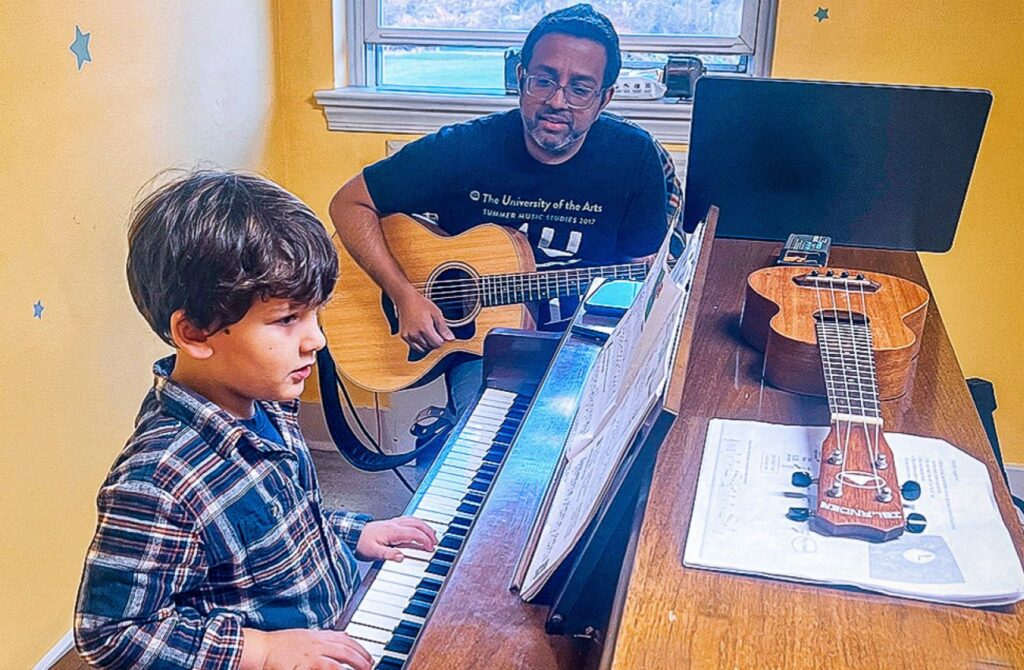
Learning choreography, remembering blocking, memorizing lines, following music, and responding to scene partners all require sustained attention. Theatre encourages children to stay present, listen carefully, and remain focused even when distractions arise. These skills help students with homework, test-taking, and independent reading.
Perhaps one of the most meaningful aspects of theatre education is that every child has an opportunity to contribute. Not every student dreams of playing the lead in a musical, and Wolf PAC makes room for that. Some students discover their passion through:
- Acting classes, dance, and private voice lessons
- Improvisation and technical theatre
- Stage management and behind-the-scenes production work
Wolf Performing Arts Center offers a wide range of educational opportunities for Main Line families, including weekly theatre classes, dance classes, private lessons, performance programs, technical theatre experiences, and college and professional preparation. Small class sizes and individualized instruction help every student grow at their own pace, regardless of previous experience.
The Lasting Impact of Educational Theatre on the Main Line
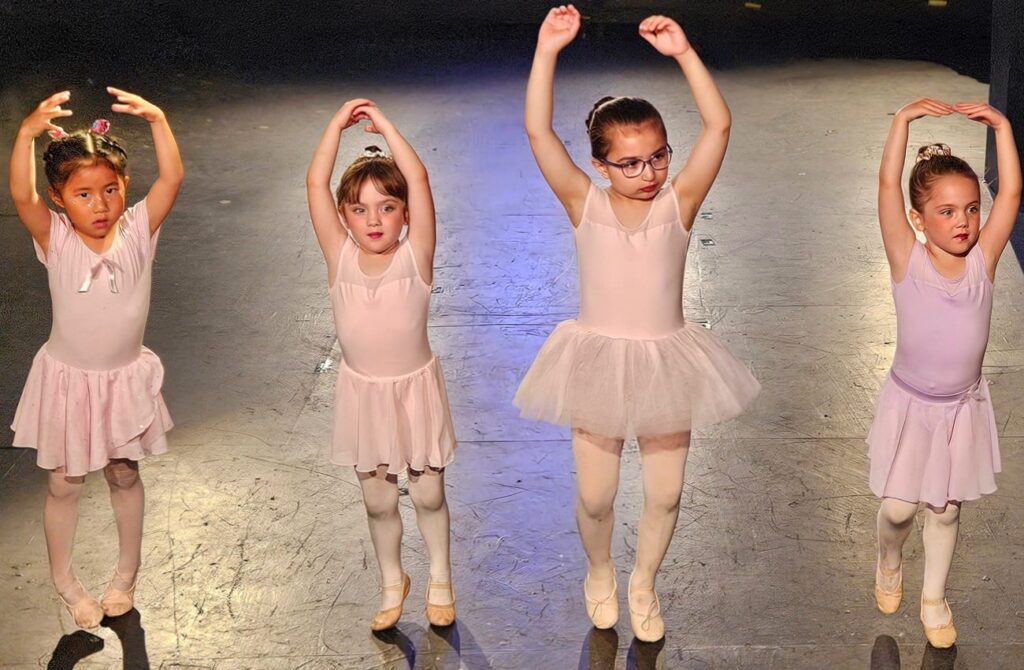
When parents think about theatre, they often picture applause, costumes, and standing ovations.
Those moments are certainly memorable, but the real magic happens during rehearsals at Wolf Performing Arts Center. Students encourage one another after a difficult scene, and a shy child speaks confidently for the first time. A student learns to accept feedback, solve a problem creatively, or step into someone else’s perspective.
Wolf PAC believes theatre isn’t simply about teaching children how to perform. It’s about teaching them how to learn, how to grow, and how to thrive — both on stage and in the classroom.
Photos courtesy of Wolf Performing Arts Center, as seen in the Back to School Guide.
This story supports the Main Line Parent Community. Collaborate with us.