When “They’re Fine at School” Isn’t the Whole Story — and What Educational Edge Does About It
If homework ends in tears and confidence is slipping, but teachers say everything looks fine, trust your instincts. There may be more going on — and Educational Edge knows how to find it
For families across the Main Line and western suburbs, the struggle often starts with a feeling, not with a failing grade. Educational Edge — a boutique tutoring and academic support company serving Montgomery, Delaware, and Chester Counties — has built its reputation on being the place families turn when something is clearly off, even if they can’t yet name it.
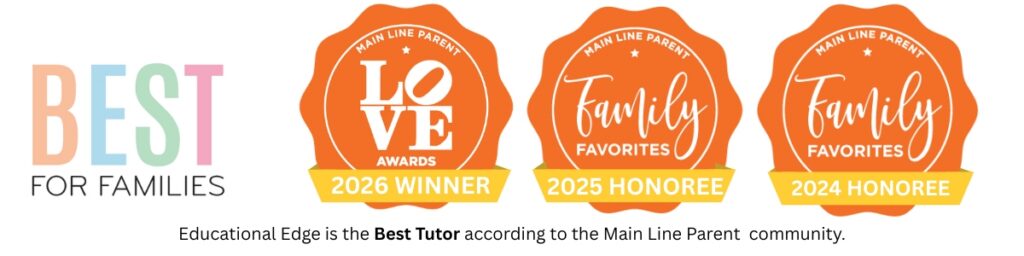
Each year, the Main Line Parent team asks readers who they love and why through a ballot that opens in December and runs through Valentine’s Day. Families don’t just vote; they share heartfelt, specific endorsements in their own words. Their stories make the annual LOVE List a sincerely trustworthy collection of referrals because every nomination reflects a real family’s real experience.
Main Line Parent Members like Educational Edge collect endorsements year-round directly on their Profile Page. Each endorsement counts toward the following year’s recognition. Educational Edge has now earned this recognition three times — a testament to how consistently, and how deeply, Main Line families trust this tutoring company.

Educational Edge, Main Line Parent 2026 LOVE Award Winner – Best Tutoring
Everything Looks Fine — Except It Doesn’t
Report cards come home. Grades are acceptable. Teachers aren’t raising red flags. And yet, homework takes two hours. Simple assignments end in tears. Starting anything independently feels impossible for your child and exhausting for everyone.
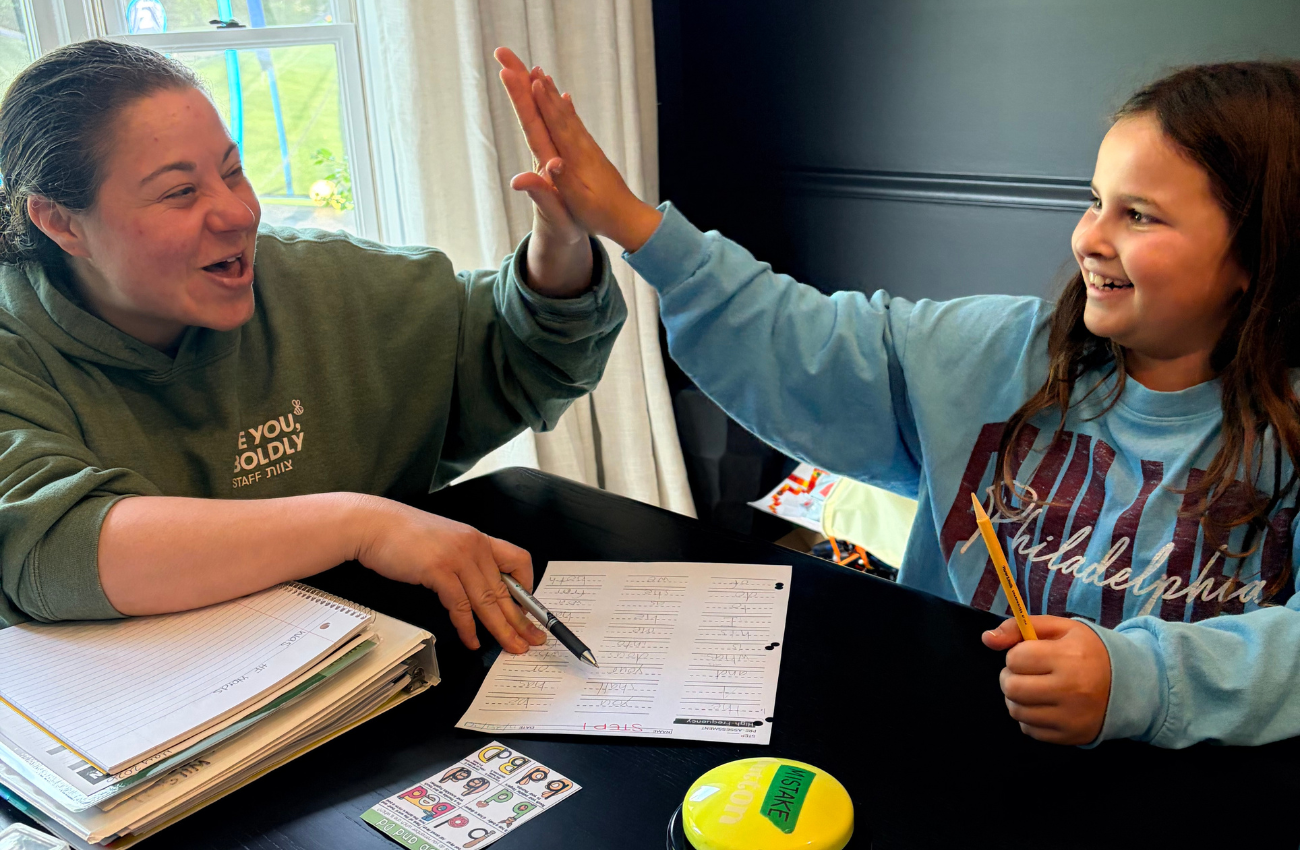
This disconnect is one of the most common things founder Erica Ritterman hears from families who find their way to Educational Edge. “Our work is about more than tutoring,” she said. “It’s about showing up for families when their child is struggling, building the tools and independence they need to thrive, and celebrating the academic wins — big and small — along the way.”
Students who appear bright, social, and capable during the school day are often working much harder than anyone realizes. In high-achieving communities throughout the Main Line and surrounding suburbs, many kids become remarkably skilled at compensating for underlying challenges. They will memorize patterns, lean on context clues, or avoid reading whenever possible. These workarounds can temporarily mask real skill gaps, making it difficult for both families and educators to spot what’s actually going on.
By the time the concerns become obvious, many of these students have already started associating learning with stress, embarrassment, or self-doubt.
The Gap Between Ability and Performance

One of the biggest misconceptions families carry into their first conversation with Educational Edge is the belief that a capable child will naturally succeed without additional support. In reality, many bright students struggle, but not because they lack intelligence. Rather, they haven’t yet developed the foundational skills or executive functioning systems needed to consistently perform at their potential.
Executive functioning — the mental toolkit that includes organization, planning, time management, task initiation, and self-monitoring — is often invisible until it breaks down. When these skills are underdeveloped, students forget assignments, avoid challenging tasks, rush through work, and rely on constant reminders at home. What begins as occasional frustration can quietly become a source of chronic stress for the entire family.
Ritterman’s approach is thoughtful from the very first conversation. “We’re intentional about every match we make,” she said. “We take into account a child’s academic profile, learning style, personality, and goals so the fit feels natural and supportive rather than transactional.”
Signs Families Shouldn’t Wait On
Every child has hard days. But if these patterns become consistent, they are worth paying attention to:
- Homework consistently taking far longer than expected, even on familiar material
- Strong verbal skills paired with surprisingly weak writing
- Understanding concepts in conversation but struggling to demonstrate that knowledge independently
- Frequent frustration, tears, or emotional shutdown during academic tasks
- Avoidance of reading, writing, or math
- Teachers mentioning focus issues, incomplete work, or trouble with pacing
- Declining confidence or rising anxiety around school
“Families often come to us after months — or even years — of wondering whether what they’re seeing is typical,” Ritterman said. “They describe the same patterns over and over.”
Left unaddressed, those patterns compound. By fourth or fifth grade, children who once loved learning begin describing themselves as “bad at reading” or “just not smart.” Those beliefs can become far more difficult to address than the academic challenge itself.
What Early Support Actually Looks Like

Early intervention isn’t about lowering expectations. It’s about giving students the tools to meet them.
Educational Edge tutors are all certified educators and specialists with real classroom experience. They possess advanced training in areas including structured literacy, Wilson Reading System intervention, math support, and executive functioning coaching. This allows the team to meaningfully support a wide range of learners — including students with dyslexia, ADHD, and other learning differences — using evidence-based strategies aligned with school curricula.
The matching process is a point of pride. Families consistently mention it in their nominations.
“Erica took the time to match us with an educational provider that was right for our son,” wrote one Main Line family in their LOVE Award nomination. “Miss Maria has become part of our family, and we are so incredibly grateful for her support along our journey.”
Another family shared that their daughter went from crying and believing she couldn’t write to earning an A in her classes. “It’s immediately clear that this company is Erica Ritterman’s passion — not just a job,” they wrote. “From the way she speaks with parents when you call, to how deeply she listens to what makes each child unique, to the thoughtful care she takes in selecting the right tutors, everything reflects her genuine commitment.”
The Relationship Makes the Difference

What families return to again and again in their nominations isn’t just the academic results — it’s the relationships their children form with their tutors.
One family described working with Educational Edge for more than three years. Their son’s ELA tutor, Alex, asks about what’s happening in his life — home renovations, family trips, assignments he’s already turned in — and uses those conversations to build trust and reinforce learning.
“She makes him feel proud of the work they accomplish together, and because of this, he looks forward to their sessions every week,” they wrote. “Finding someone who can connect with a child academically and personally is rare.”
That kind of connection is what Ritterman has built her company around. Educational Edge partners closely with families, offering clear communication and collaboration with teachers and schools when helpful. The team also donates free tutoring sessions to area schools to support their fundraising efforts, and Ritterman serves on the advisory board of Big Brothers Big Sisters.
“We care deeply and treat every student like our own,” she said. “Success is measured by growth in both skills and confidence.”
You Don’t Have to Wait for Failing Grades
The families who find Educational Edge often wish they’d called sooner. When a child’s academic effort consistently outweighs results, or when school-related stress starts affecting family life, that’s the moment to take a closer look.
A child who once resisted reading may start picking up books on their own. A student who relied on constant parent reminders may begin managing assignments with real independence. Small successes build on each other and over time, something shifts. School becomes less of a battle, and children begin to see themselves not as struggling learners, but as successful ones.
Educational Edge serves families throughout the Main Line, Montgomery County, Delaware County, and Chester County. Learn more about services, workshops, and resources — including educational screenings and executive functioning coaching — at TheEducationalEdge.com.
Photos courtesy of Educational Edge, as seen in the Best for Families Guide.
This story supports the Main Line Parent Community. Collaborate with us.