Design Sensory-Friendly Spaces Your Kids Will Love – With the Help of Main Line Pros
Find fresh ideas and local resources to design kid-friendly and sensory-friendly spaces in your Main Line home

Creating a kid-friendly and sensory-friendly home is not just about child safety. It’s about creating a warm, nurturing, and connective space for children to feel secure in. Sensory-friendly spaces are especially important for kiddos with extra sensory needs and sensitivities, and those who get overstimulated easily.
What Does Sensory-Friendly Actually Mean?
Sensory-friendly spaces are designed to limit sensory overload and support children who have sensory-processing differences (SPD). A supportive space includes opportunities for appropriate stimulation, limiting things like bright lights, clutter, and loud noises. Whether a child has SPD or not, a sensory-friendly design can improve focus, support emotional regulation and reduce anxiety.
Must Haves for a Sensory-Friendly Playroom
A truly kid-friendly home design considers how sensory input affects a child’s comfort and behavior. Elements such as lighting, noise level, organization, paint color, furniture, and even toy selection all play an important role.
Sensory-Friendly Lighting
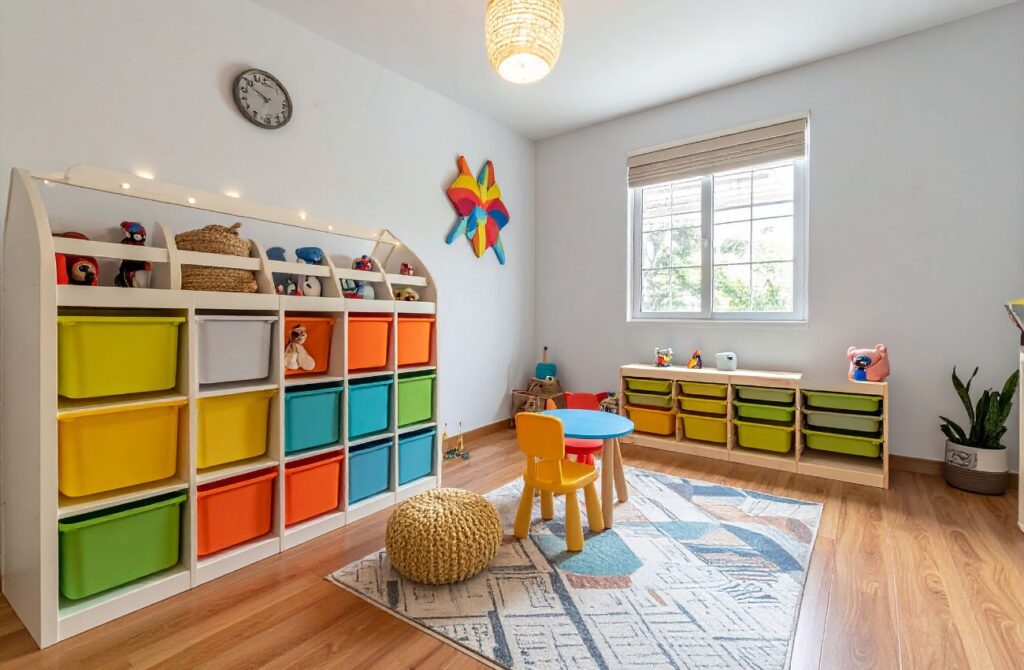
A kid-friendly interior design plan should prioritize natural light where possible with sheer curtains or adjustable shades. Instead of bright overhead lighting, choose adjustable lamps, preferably battery operated, to avoid the need for cords. All electrical outlets should be covered for safety reasons.
Flooring
Priorities should also include quiet flooring such as soft carpet to avoid unnecessary and distracting noises. Visit the local Havertown or West Chester showrooms of Havertown Carpet to browse area and fitted carpet options in-person.
Picking Sensory-Friendly Paint Colors
Paint colors impact the feel of a room. Stick mostly with neutrals and pastels. Green gives a natural vibe while light blue and lavender can have calming effects.
Hire professional painters to help you choose the perfect color and create a clean and finished look. Artisan Painting, a 2025 Main Line Parent Love Award winner, gets accolades for its service and hospitality-driven approach. They can help you add a pop of color, while sticking to your goal of tidy and tranquil.
Organization
A well-organized playroom prevents sensory overload and helps children find what they need easily. Main Line-area organizers can help you create home systems to minimize clutter and chaos.
Incorporate labeled storage bins and open shelving for toys and books. This allows kids to see what’s available to them and practice independence. Keep the Legos with the Legos. Keep the Magna-Tiles away from the Nerf darts. After all, we know how often toys disappear when shoved together at the bottom of a drawer.
Sensory-Friendly Play Items
Must-have play items for a sensory-friendly playroom include playdoh, slime, and stepping stones. You could also include a bean bag chair with pillow and a sensory swing similar to the one at Sensory Fit in Malvern.
Kid-friendly, sensory-friendly playrooms should have opportunities for movement and activity, without too much disarray.
Creating Cozy Corners and Bedrooms for Overstimulated Kids
Just like a sensory-friendly playroom, make bedrooms and cozy corners feel calming, as these serve as your child’s safe zone. Create a place for your child to regulate their dysregulated nervous system when pandemonium strikes. Above all, cozy corners and bedrooms should prioritize comfort and security.
Essential Elements for a Calming Space
Keep the layout simple, with plush toys, a soft rug and a large comfortable chair tucked away in the corner. A tent, some fidget toys and a few small, accessible book shelves are good additions. Some essentials include adjustable lighting, a sound machine with white noise and calming scents such as lavender. Weighted blankets are another must-have, offering children a sense of security and improved emotional regulation.
Personal & Unique Touches
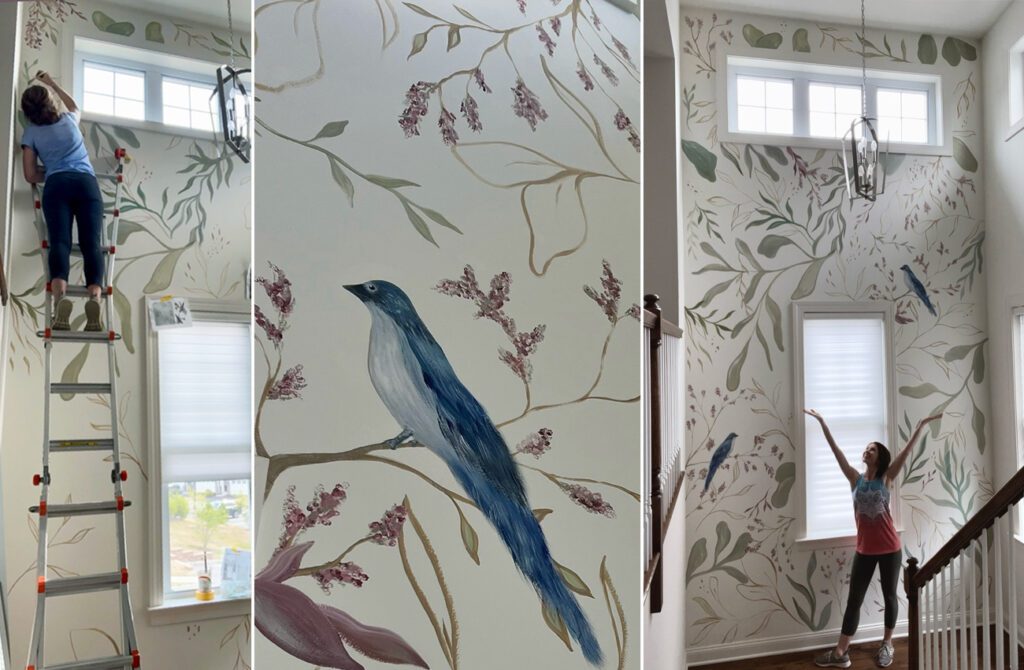
To create a space that reflects your child’s or adds a subtle dose of color, consider a hand-painted mural by local artist Brittany Grala. Choose a nature inspired scene like trees, clouds or soft florals.
Unlike the playroom, a bedroom space benefits from blackout curtains that promote sleep. Main Line designers such as Allure Window Treatments and Main Line Window Décor can help you pick the perfect treatment. As parents, we know our child’s sleep, or lack of sleep, dictates so much of their mood and behavior.
Pair these kid-friendly, sensory-friendly interior design alterations with a consistent routine. You’ll do wonders for your little ones.

Working with Main Line Design and Organization Professionals
Small changes like adding white noise and a dimmable lamp are simple tweaks that you can do to improve a kid-friendly room. However, for larger design decisions, working with a local design pro can help bring your vision to life quickly. Professional organizers are equally important, helping families declutter and maintain peaceful, functional spaces.
Main Line Designers That Can Create Your Kid-Friendly Space
Here are more Main Line professionals can help transform your home into a sensory-friendly haven for your children.

Zinnia Design Studio
Patricia and her team design custom spaces that feel effortless and enjoyable, perfect for creating kid-friendly havens.
Perri Swift Interiors
Owner, Perri Swift has a unique focus on creating safe, functional spaces for young families. She prioritizes performance fabrics, soft edges, and multi-purpose nature in her designs.
Practical Sanctuary
Practical Sanctuary focuses on sensory-design. Founder, Stephanie, offers a Calendly on the website for families to schedule their Space Therapy Q&A to learn more.
Sarah Hermans Interiors
Sarah Herman is a full-service interior designer with experience designing modern playrooms and kid’s bedrooms.
Main Line Organizers to Declutter and Create Calm
Professional organizers understand how physical clutter affects mental calm. These experts help families reclaim tranquility at home.

Carrie’s Essential Services
Parent and owner Carrie Kauffman helps families declutter and reclaim space and tranquility within their home.

KS Organizing
Kate Silvi, the founder and mother of two grown children helps clients turn cluttered areas into useful, relaxing spaces.
Life Simplified
Life Simplified has been providing organizing services on the Main Line for over ten years. They’ll take on any room in your house and truly understand how much physical clutter impacts peace of mind.
Main Line Organizing
Shanya, mom and seasoned organizer, along with her team, helps families reduce clutter and create calmer and more efficient spaces. They offer both in-person and virtual organizing services.
Ready to Transform Your Home Into a Sensory-Friendly Space?
A stress-free, kid-friendly space doesn’t require an all-out home transformation. Instead, make a combination of thoughtful choices to create a calming, safe, anxiety-reducing environment. Main Line interior designers and organizers can help you create a sensory-friendly space for your child to thrive.