Why BY Orthodontics Says Straight Teeth Aren’t Just About Looks
Dr. Brianna Yang explains how modern orthodontics prevents future dental problems while creating beautiful smiles.
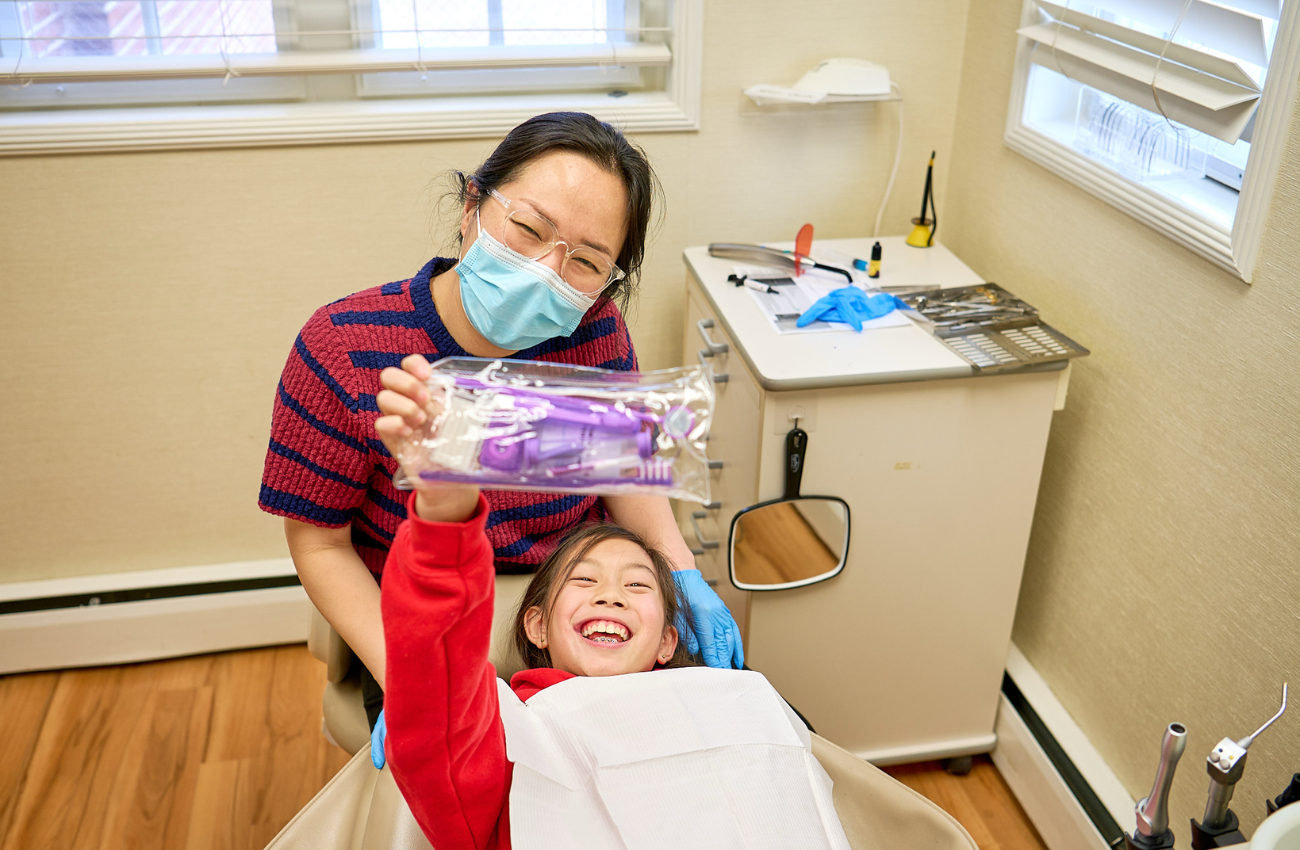
When Dr. Brianna Yang sees a new patient at BY Orthodontics in Wayne, she’s thinking decades ahead. While parents often come in hoping for straighter teeth and a more confident smile for their child, Dr. Yang is assessing something deeper: how today’s orthodontic treatment can prevent unnecessary dental work 20, 30, even 40 years down the line.
“Orthodontics is really about long-term oral health,” Dr. Yang explains. “Yes, you get a beautiful smile—that’s a wonderful outcome—but we’re focused on creating a balanced bite that protects your teeth from premature wear and makes hygiene easier to maintain throughout your life.”
This preventative, whole-health approach distinguishes BY Orthodontics from higher-volume practices in the area.
A Practice Built on Thorough Diagnosis

Walk into BY Orthodontics and you’ll immediately notice something different: four private treatment rooms instead of the open-bay setup common at many orthodontic offices. This isn’t just about privacy and comfort, though patients appreciate both. The private treatment rooms reflect the practice philosophy—this is personalized care, not assembly-line dentistry.
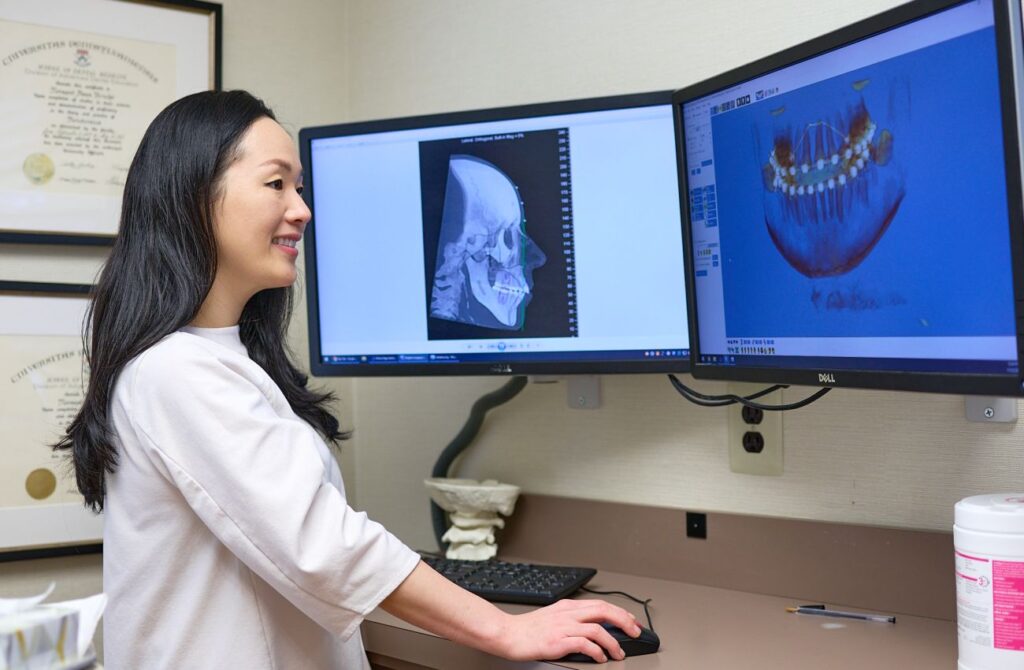
That personalized approach starts with advanced diagnostic technology. The practice uses CBCT imaging (Cone Beam Computed Tomography), which allows Dr. Yang and her partner Dr. Normand Boucher to see far beyond teeth alignment. They examine the airway, jaw structure, and temporomandibular joints to understand the complete picture before recommending any treatment.
“We look at the airway first, actually, before we even look at teeth,” Dr. Yang says. “We’re collaborating with ENT specialists, speech therapists, physical therapists, occupational therapists—all to give families a comprehensive understanding of what we see and why we’re recommending a particular approach.”
This collaborative, evidence-based model stems from both doctors’ commitment to teaching and research at the University of Pennsylvania, where Dr. Yang once studied under Dr. Boucher’s mentorship. Both remain active in local study groups, meeting weekly with dentists and specialists from across the Main Line to review cases and share expertise.
When Grinding and Snoring Aren’t “Just Normal”
One area where Dr. Yang sees families need more education? Recognizing when common childhood behaviors might signal something more serious.
“Historically, we used to think grinding teeth in young kids was normal, or that a certain amount of snoring was just part of childhood,” she explains. “But sometimes these are signs of airway issues that benefit from early intervention.”
Parents should watch for mouth breathing, snoring, and pauses in breathing during sleep—even brief five-second pauses can indicate apneic episodes worth investigating. Sleep disturbances where children wake frequently at night can also point to restricted airways.
BY Orthodontics offers an important screening point for sleep issues. When airway concerns are identified, Dr. Yang refers families to the appropriate specialists for sleep studies and further evaluation. In some cases, palatal expansion—a treatment the practice offers—has proven effective in improving airway function.
The TMJ Connection That Brings Patients From Out of State
Dr. Yang and Dr. Boucher’s specialized approach to TMJ (temporomandibular joint) disorders has drawn patients from as far as New York and Connecticut. The practice has developed particular expertise in this area over two decades, treating both adults and adolescents.
Many parents don’t realize that TMJ issues can develop during the teenage years, especially in young women. Warning signs include jaw soreness when waking up, clicking or popping sounds, grinding, or limited range of motion in the jaw.
“We used to think TMJ disorders were more prevalent in women in their 20s and 30s, but we definitely see it in teenagers as well,” Dr. Yang notes. The CBCT imaging allows the team to examine jaw joints more closely than traditional X-rays, leading to more accurate diagnosis and treatment planning.
The Right Time for That First Visit
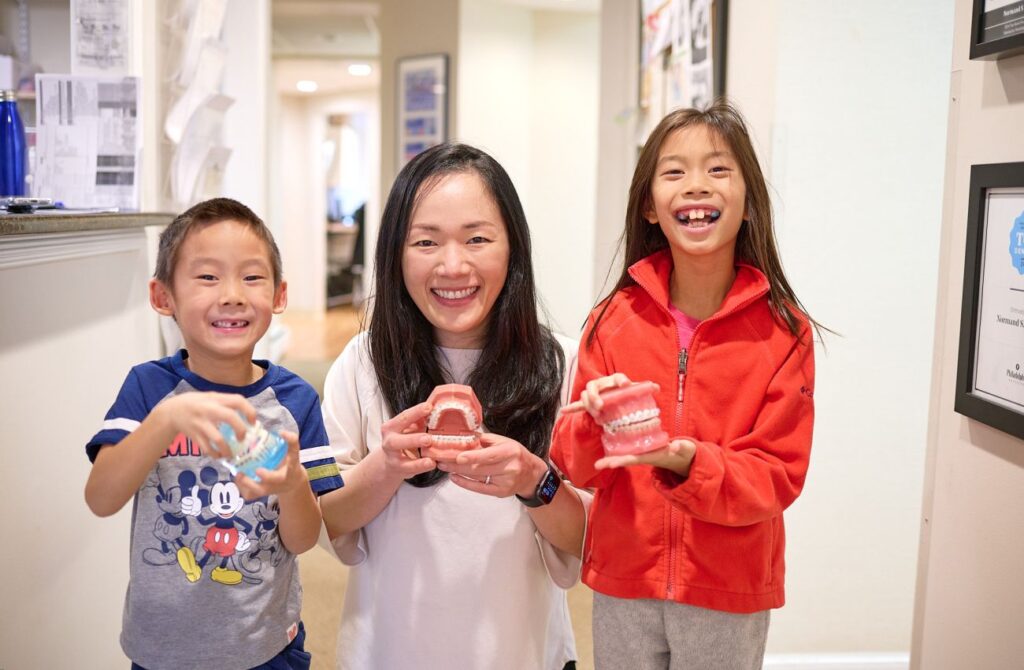
One misconception Dr. Yang frequently addresses: the belief that children need to wait until all their baby teeth fall out before seeing an orthodontist.
“Parents don’t need a referral from their dentist, and they don’t need to wait,” she clarifies. The American Association of Orthodontics recommends a first orthodontic checkup around age seven, though children can come earlier if there are airway concerns.
The reason for these early evaluations? Jaw growth and development. “We want to assess whether early treatment is needed while the jaw is still developing,” Dr. Yang explains. “There’s no one-size-fits-all timeline. We look at each patient individually—their teeth, jaw, airway—to determine if treatment should start now or if watching and waiting is the better approach.”
The practice offers complimentary evaluations for both children and adults, removing the financial barrier to getting expert assessment.
Technology That Makes Treatment More Comfortable
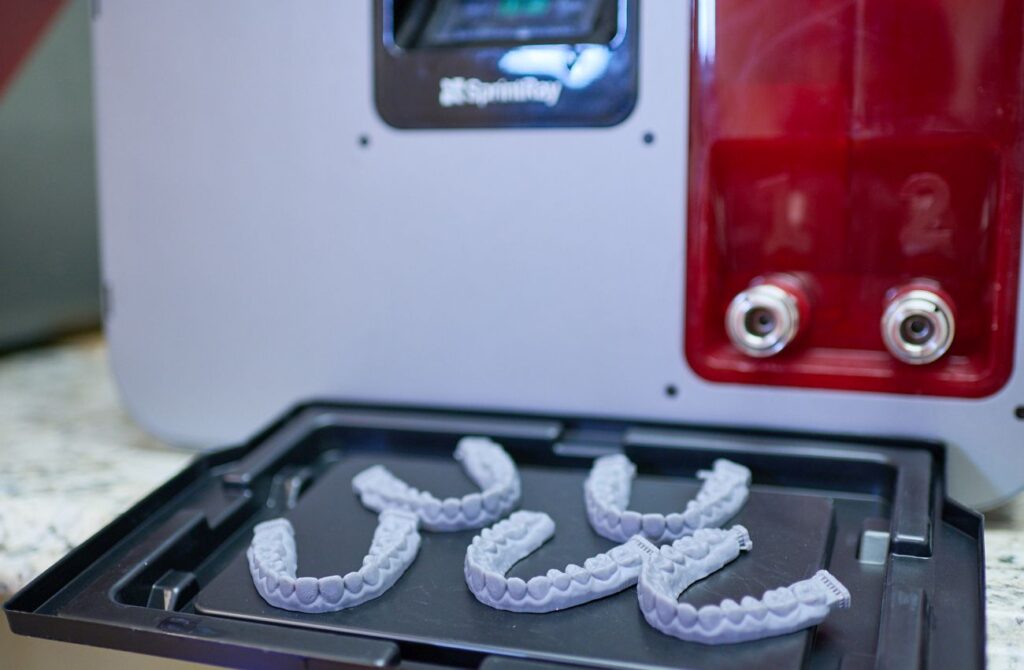
Gone are the days of gagging on goopy impression material. BY Orthodontics uses intraoral scanners that create precise 3D images without any mess or discomfort. These digital scans feed into the practice’s 3D printing capabilities, allowing Dr. Yang to create custom appliances and brackets tailored to each patient’s unique needs.
“We’re using technology to make treatment more comfortable, more accurate, and often more efficient,” Dr. Yang says. Custom appliances mean better fit, which typically translates to shorter overall treatment time.
The practice has expanded its 3D printing and custom appliance work significantly over the past year, reflecting Dr. Yang’s commitment to personalized care over standardized approaches.
Treating Families, Not Just Patients
It’s not uncommon at BY Orthodontics to find multiple generations in treatment simultaneously. Sometimes parents start their own orthodontic journey and then bring their children in. Other times, kids begin treatment and parents decide to address concerns they’ve put off for years.
“We treat patients from age six to their 80s,” Dr. Yang says with a smile. “When families trust us with multiple members, when they’re in treatment together sharing the experience—that’s the greatest compliment we can receive.”
This multi-generational approach reinforces the practice’s emphasis on long-term relationships. Treatment doesn’t end when braces come off. BY Orthodontics follows patients for two years after active treatment finishes, ensuring retainers fit properly, hygiene stays on track, and results remain stable.
“Once you become our patient, you’re part of our family,” Dr. Yang says. It’s not just a tagline—the practice’s long-tenured staff, some of whom have worked together for decades, demonstrates an uncommon commitment to continuity of care.
A New Year, A New Smile
As families reset their health goals in January, Dr. Yang has simple advice for parents who’ve been putting off orthodontic consultations: now is the time.
With new insurance benefits and FSA contributions kicking in, January offers a practical opportunity to invest in long-term oral health. But beyond the financial timing, there’s the preventative value to consider.
“We’re not just creating beautiful smiles, though that’s absolutely part of it,” Dr. Yang emphasizes. “We’re preventing future problems. When teeth meet properly and are easier to clean, we’re protecting against premature wear and unnecessary dental work decades from now.”
For parents concerned about cost, Dr. Yang has worked to make the practice more accessible, offering flexible payment plans with no interest and competitive pricing that puts BY Orthodontics on par with other area practices.
Board-Certified Expertise

Both Dr. Yang and Dr. Boucher hold board certification from the American Board of Orthodontics—a credential not all orthodontists pursue. The certification requires passing rigorous oral and written examinations evaluated by a panel of peers.
Beyond credentials, both doctors remain committed to education. Their ongoing involvement in teaching at Penn and participation in weekly study groups with local specialists ensures they’re providing evidence-based care backed by current research, not just jumping on the latest trends.
“We want to make sure any treatment we recommend is supported by solid studies and proven outcomes,” Dr. Yang explains.
Finding the Right Fit
Choosing an orthodontist means finding someone who will be part of your family’s healthcare team for years. At BY Orthodontics, that relationship begins with a thorough evaluation—examining not just teeth, but airways, jaw joints, and overall development.
It continues with customized treatment plans that reflect individual needs rather than standardized protocols. And it extends well beyond the day braces come off, with years of follow-up care ensuring lasting results.
For Main Line families seeking orthodontic care that balances cutting-edge technology with personalized attention, Dr. Yang offers both the expertise and the approach to make orthodontics about more than just straight teeth—it’s about lifelong oral health.
BY Orthodontics is located at 333 W Lancaster Ave in Wayne. Learn more at byorthodontics.com or call to schedule a complimentary evaluation. Follow them on Instagram and Facebook for patient stories and oral health tips.
Photos courtesy of BY Orthodontics, as seen in the Winter Family Fun Guide and Health and Wellness Guide.
BY Orthodontics supports the supports the Main Line Parent Community’s. Collaborate with us!