The Mental Load Is Real: How Main Line Moms Are Getting Support
Feeling overwhelmed by motherhood? Local therapists share practical strategies to reduce burnout, ask for help, and reclaim your well-being
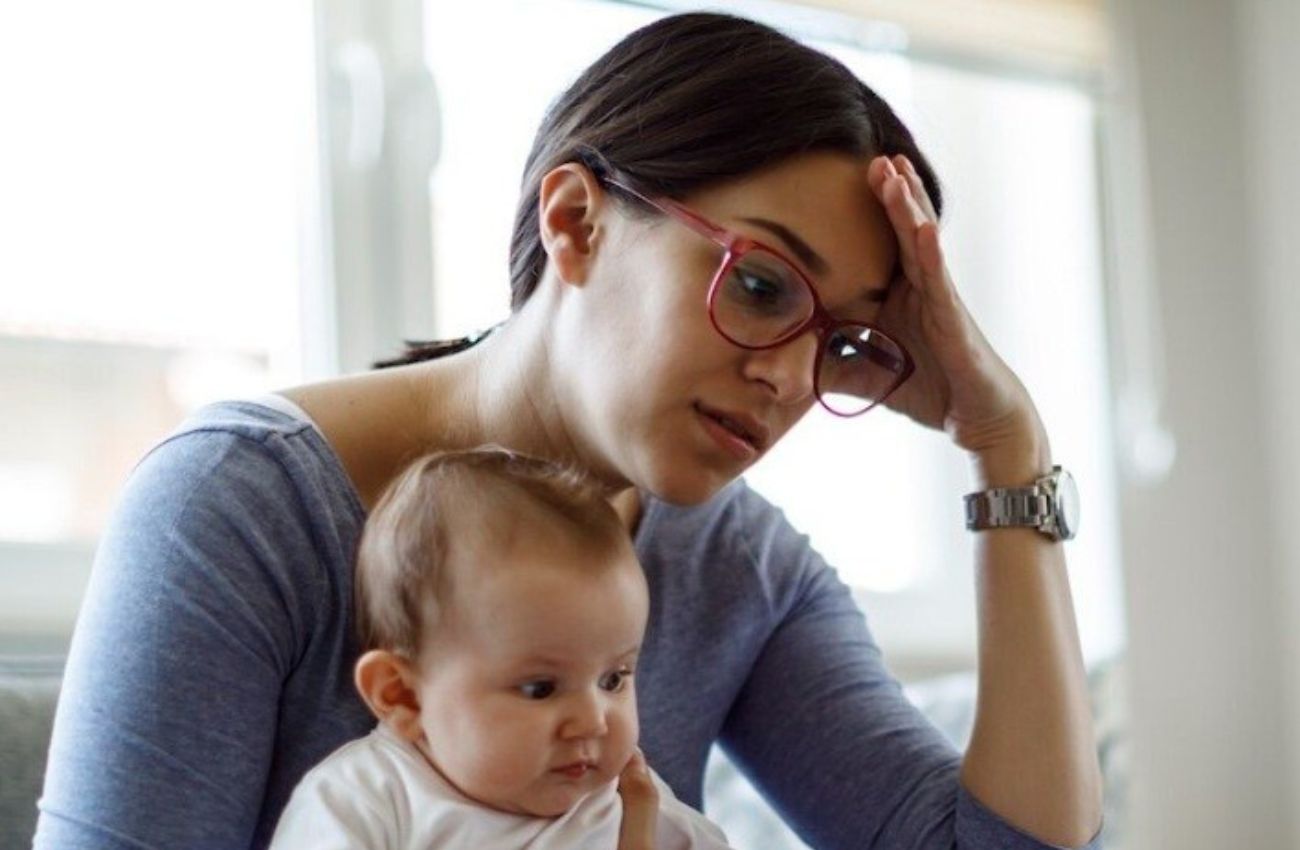
Motherhood brings many joys, but it can also bring anxiety and burnout. Finding strategies to reduce the mental load of motherhood improves happiness as well as the entire family’s well-being.
Read below for advice from Main Line Parent member therapists who offer mental health support for moms. Find other local therapists on the Main Line Parent Mental Health Member page.
How to Get Started: Ask for Help
Asking for help and sharing the responsibilities of parenthood is difficult for many moms. Karolina Lazarov, a perinatal mental health therapist and founder of Main Line Pro Counseling, says certain beliefs about motherhood can make it difficult for women to lean on others.

“Moms often struggle with asking for help, especially from their partners. They believe that they either should be able to do it all by themselves or that their partners should offer help rather than wait for them to ask for it.”
Resentment and frustration arise when we try to be a “super mom” or expect others to step in and help without us asking. She says, we tend to idealize the lives of others, when really, “our perception of other moms is based on our own insecurities, fears, and unrealistic expectations that we put on ourselves.”
Lazarov wants moms to recognize the universality of anxiety and stress in motherhood. Mental health support for moms can come from actively seeking mom friends and joining community meetups or support groups.
Removing Barriers for Mental Health Support
Perri Shaw Borish, founder of Whole Heart Reproductive Health, is a psychotherapist and licensed clinical social worker with 20 years of experience in maternal mental health. She discusses the process of removing barriers that impede women from asking for help.
“We usually start by exploring what gets in the way of asking for help — trying to understand why it feels hard and what beliefs or experiences are shaping that,” she said.
She suggests starting small by asking for help from someone you already trust. Think about who is currently part of your parenting “village” and who would likely be more than willing to offer support.

Self-Compassion and Small Steps
Aimee Wood, a Main Line perinatal mental health specialist and clinical social worker, believes self-compassion is the starting point for change.

“Momming is an impossible task on its own,” she said. “It’s unsustainable. It’s also fantastic modeling to show your children that even moms take breaks, have friends, and ask for help.”
Aimee suggests that moms imagine what they would say to a close friend who feels ashamed to ask for help. How would you respond? Show yourself the same kindness and compassion you would likely show a friend
Aimee also recommends taking small steps to create change. Block an hour off a day for yourself, even if you don’t know what you’ll do with that time.
“You don’t need to justify the break,” she said. “Build in time for yourself anyway, and the ideas can come later.”
Joining forces with a friend or finding an accountability partner can help as you cheer each other on. Ask other mom friends how they replenish their energy and how they take time for themselves. Maybe a strategy that works for them can work for you.
Accepting Imperfection in Motherhood
Lazarov provides mental health support for moms in her therapy practice. She believes that many women incorrectly think other moms always have it all together.
“We often create unrealistic expectations and put a lot of pressure on ourselves,” she said. “Moms who tend to be more flexible are more adaptable compared to moms who are set on tight, predictable schedules. Motherhood is unpredictable, therefore we need to work on balancing our expectations and acknowledging that life may not be perfect.”
Lazarov recommends “resetting rituals” for those experiencing motherhood burnout and anxiety. An example can be calling a friend you trust, listening to calming music, or taking a mindful shower to give yourself a peaceful moment to reset.
Borish agrees that holding “perfect” expectations for yourself as a mother can be damaging.
“We work on lowering expectations — of yourself and for the quantity of joy. That can mean stepping away from comparing yourself to other parents, or what you imagine they’re doing. Saying no when you need to. Taking time for yourself without guilt. And letting go of things needing to be perfect — good enough is truly enough,” Borish said.
Partnership: Sharing the Mental Load
Matthew John Quinn is a therapist, personal coach, and Penn State graduate. He suggests that moms learn to have hard conversations with family about what they need. Unsupportive partners may not even realize they are adding to motherhood burnout and anxiety.
“Maternal burnout is not simply being tired,” he said. It is chronic physical, emotional, and cognitive exhaustion caused by sustained, disproportionate caregiving labor.
“It often comes with anxiety, hyper-vigilance, loss of identity, and a guilt that compounds everything else. And the hard truth is: you cannot heal in the same environment that is making you sick. That environment very often includes a well-meaning but deeply uninformed partner.”

He emphasizes that “what mothers need from their partners is not perfection, but willingness to bear witness without fixing. To believe her without requiring proof. To own responsibilities without being asked. And to protect her rest as something sacred rather than something she has to earn.”
Aimee Wood agrees that moms may have partners who fail to acknowledge the extra work that comes with motherhood.
“The mental load is real,” she said. “And it’s off the charts for moms who need their partner to not only see the issue with the mental load, which is often the invisible labor, but also carry more of it.”
Whether they are stay-at-home, part-time, or full-time working moms, the load is doubled, according to Borish.
“[Moms] are managing the visible tasks of caregiving and the invisible mental load: planning, anticipating, regulating emotions, and holding the needs of the entire family.”
Talking to Your Partner About What You Need
Learning how to recognize “overwhelm” and verbalizing what you need takes bravery and practice. Quinn emphasizes the importance of partner education in improving overall well-being and mental health for moms.
“An uninformed partner, even a loving one, can be one of the greatest ongoing sources of pain for a mother trying to recover,” he said.
“When a partner minimizes her experience with phrases like ‘just relax’ or ‘I don’t know why you’re so upset,’ it communicates emotional abandonment. When they wait to be asked for help rather than taking proactive ownership of household and parenting responsibilities, they are quietly placing the mental load right back on her.”

How to Find Better Balance
A better balanced life helps moms find happiness in their own lives and with their children. If you haven’t felt a sense of joy recently, Wood suggests reaching out for help from a therapist or medical professional.
“This can be a sign that you’re pouring way too much of yourself into others and probably none into yourself,” Wood said.
Wood recommends systems that ease the mental load for many Main Line moms. For example, automating diaper delivery or enlisting chat GPT for help with meal planning. If budget allows, she recommends hiring a babysitter every Friday night or a mother’s helper once a week to do laundry. Running errands with a friend is a creative way to get things done while also filling your own cup.
Borish says that when moms experience burnt out, it’s similar to professional burn out. Both stem from chronic stress and a lack of support.
“Usually, when a mother starts to feel more supported and resourced, her capacity for connection tends to come back,” she said. “Taking care of her isn’t separate from taking care of her kids — it’s actually the foundation of it.”
When we take care of ourselves as mothers, we are better able to take care of our families. Borish says that “the most effective way to improve outcomes for children is to improve the well-being of their mothers.”
Wood agrees with the connection between a mom’s happiness and her family’s happiness. She said, “The family has a better chance of being in a good place when mom is in a good place.”
Mental Health Support for Moms
Motherhood can be challenging, and it is important to maintain a sense of self through all seasons. Remember that there is no “perfect mom.” Push yourself to have hard conversations with family about support. And finally, realize that your mental health is a barometer for the wellness of the entire family unit.
Lead photo courtesy of Aimee Wood.