A Day at Phebe Anna Thorne School Shows Play-Based Learning At Its Finest
Small classes, daily outdoor time, and a close-knit family community define this play-based school for ages 2 to 6 on the Bryn Mawr and Haverford College campuses.
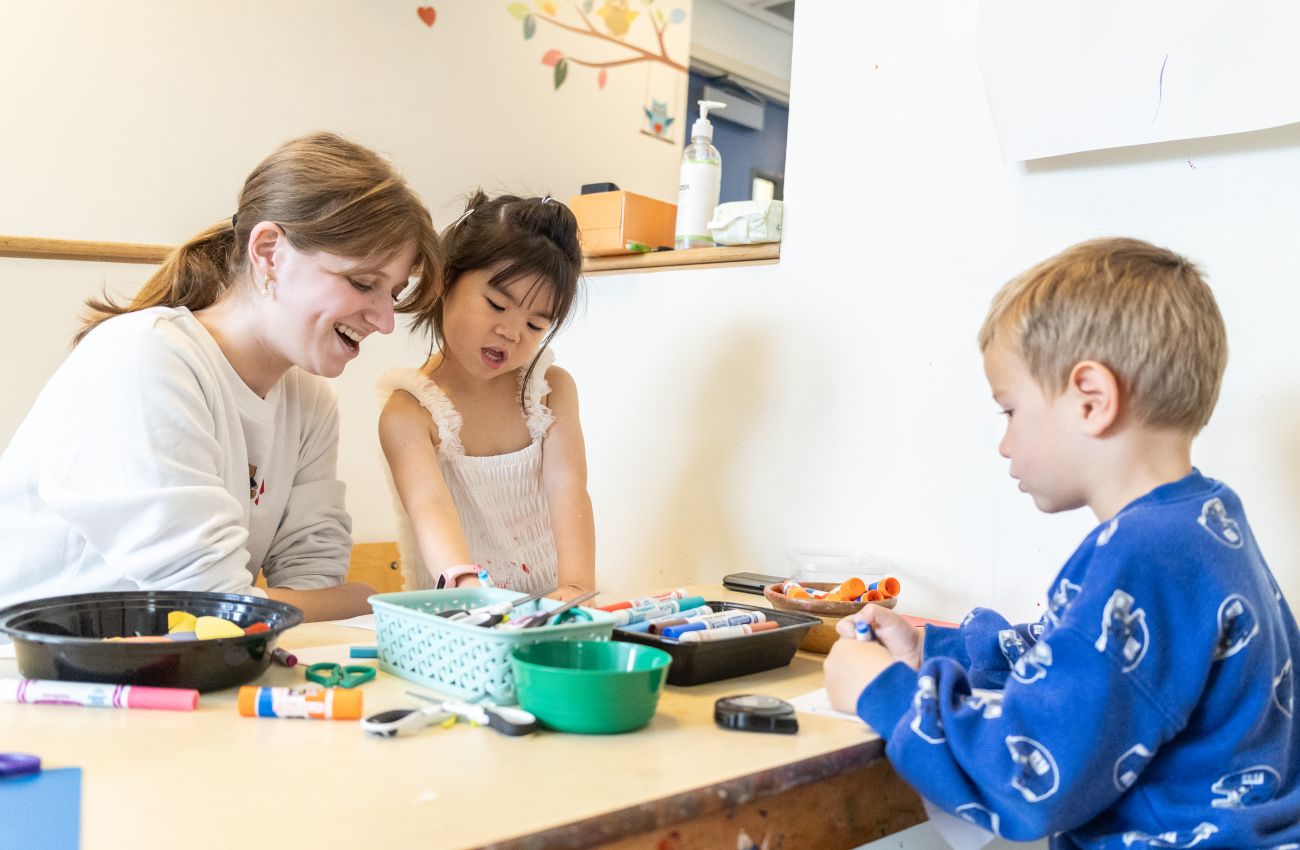
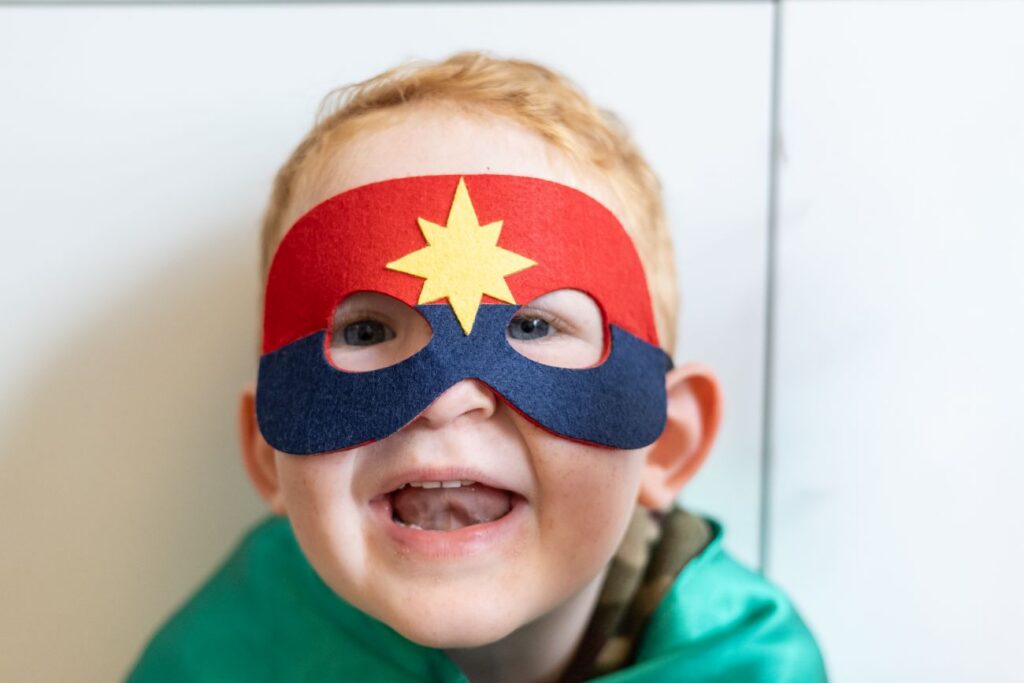
On rainy days at Phebe Anna Thorne School, kids pull on the raincoats and boots their families leave in their cubbies and head out to jump in puddles, even if only for five minutes. Inside, you might find a 5 year-old dressed up as a firefighter with a pile of Mardi Gras beads collaborating with a friend building with Magna-Tiles. Or two masked 3 year-olds superheroes go on a mission with their sidekick, a stuffed pickle.
It looks like play, and it is. It’s also how this play-based school for children ages 2 to 6 gets kids ready for kindergarten and beyond. Their Toddler Program, Preschool, and Language Enrichment Preschool Program are situated on Bryn Mawr College’s campus and its kindergarten is at Haverford College.
A Close-Knit Community From the First Week
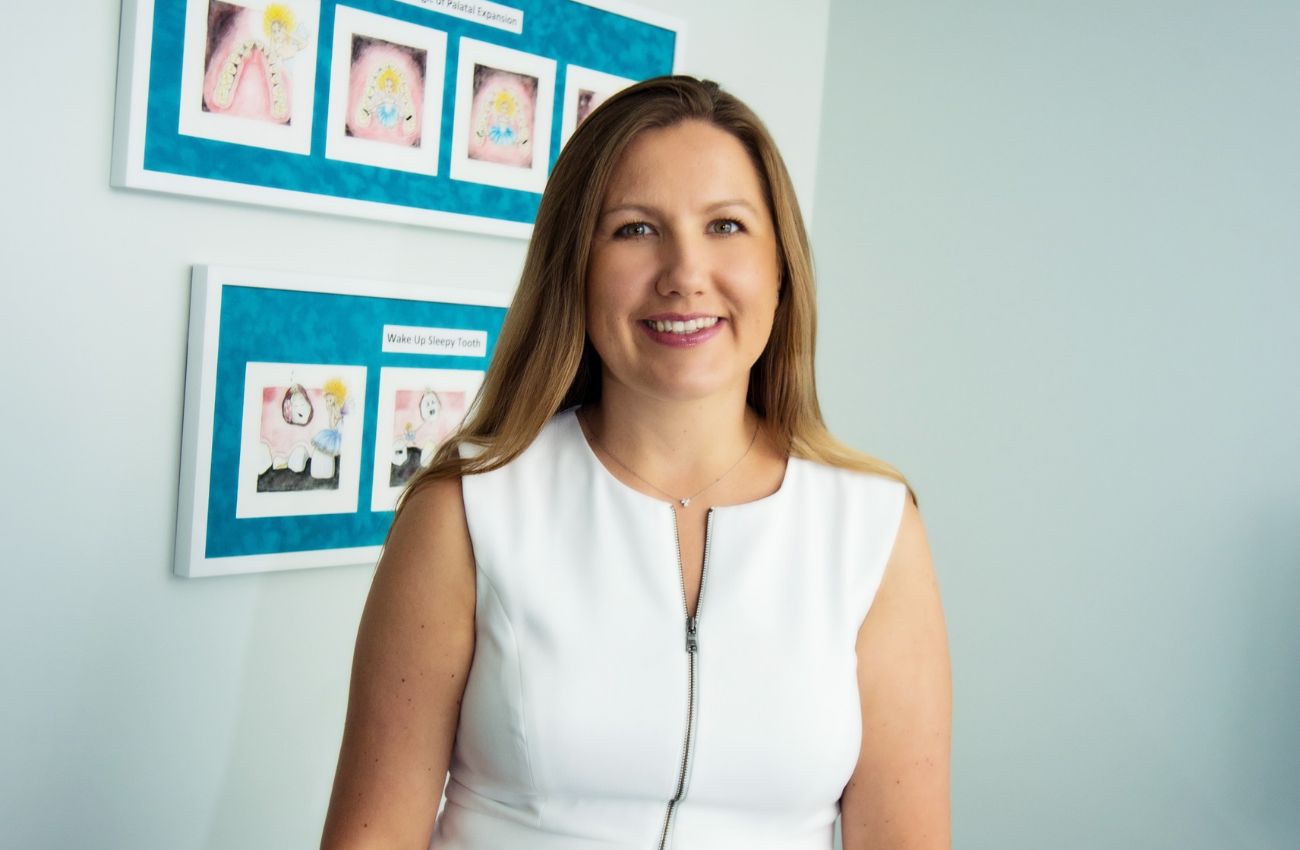
Asked what excited her most about the new school year, director Amanda Ulrich didn’t hesitate: connections between teachers and students, parents and teachers, and parents and each other.
“We’re a super tight-knit community, and that’s starting to happen right from the start,” Amanda said. “Families who have been in the school for a long time are meeting new families.”
Early in the year, Amanda hosted a parent party and left the teachers off the guest list on purpose. “If the teachers come, everyone talks to the teachers,” she said. “But that’s the way to create community amongst the parents as well as the kids.”
On tours, Amanda shares the school’s play-based philosophy, then brings families into the classrooms to see it for themselves. “We are always thinking about each student as an individual and try to meet each childs needs,” she said. “The individualized approach is something you see when observing in the classroom.”
Courtney, a Thorne parent, felt that from the start. Thorne was her daughter’s first school, where teachers helped her daughter through separation and learning to be part of a classroom community. “We fell in love with the school because of the amazing teachers and staff who bring passion and joy to their work,” she said.
Pretend Play That Leads to Reading
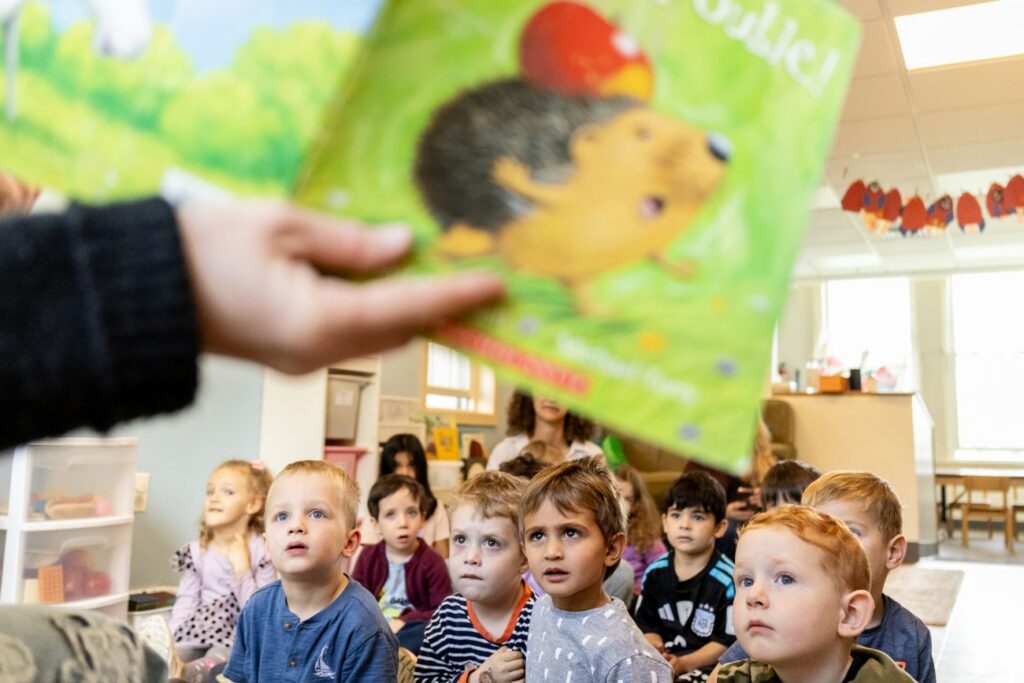
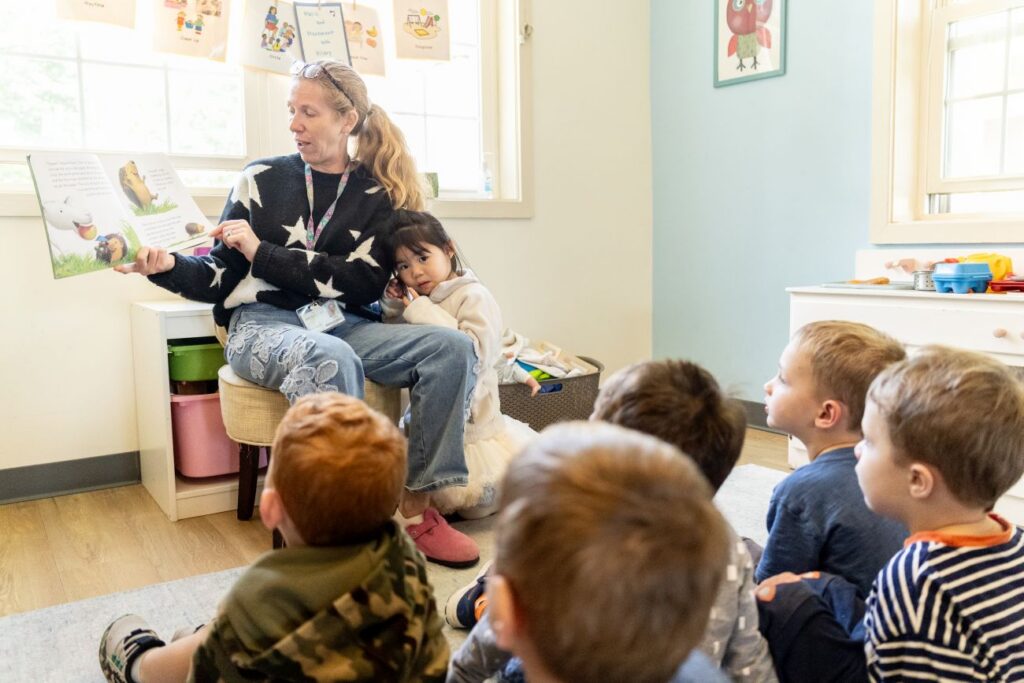
Telling stories, talking about characters like the beaded firefighter or the sidekick pickle, and figuring out how to join or leave a game all lay groundwork for future literacy success. So does listening. “We really are working with kids to listen to one another and hear what they’re saying. Not just listen, but hear what their message is,” Amanda said.
During story time, teachers talk about why characters act the way they do and where the story takes place. Phonics show up in everyday moments, like when a teacher points out that two friends both have names starting with A. Art projects bring in plenty of spelling, writing, and talking, too.
Some parents expect explicit ABC lessons, worksheets, and benchmarks. At this age, Amanda said, “they need more foundational work.” That means understanding that language goes back and forth, that you can tell a story, make a statement, or ask a question, and that an exclamation point means you use a big voice when you read it aloud. “Letters are the next step of communicating,” she said, “but you need to really understand how language works.”
Courtney saw that foundation pay off for her daughter. “During her time at Thorne her confidence grew tremendously and she found a love for reading and learning,” she said.
Plenty of Time Outside, Puddles Included
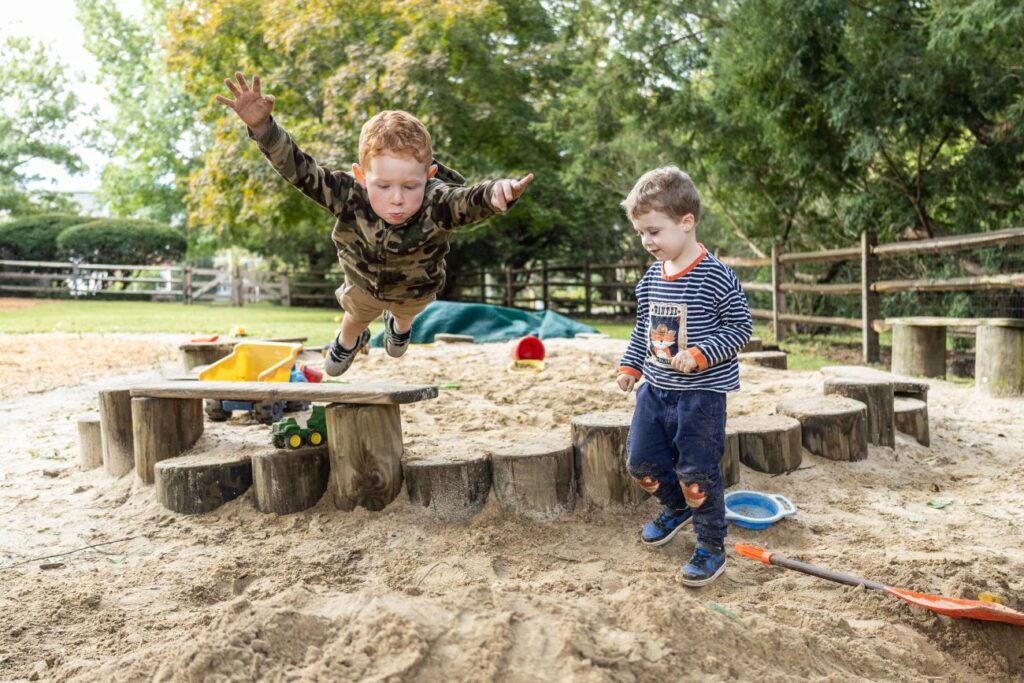
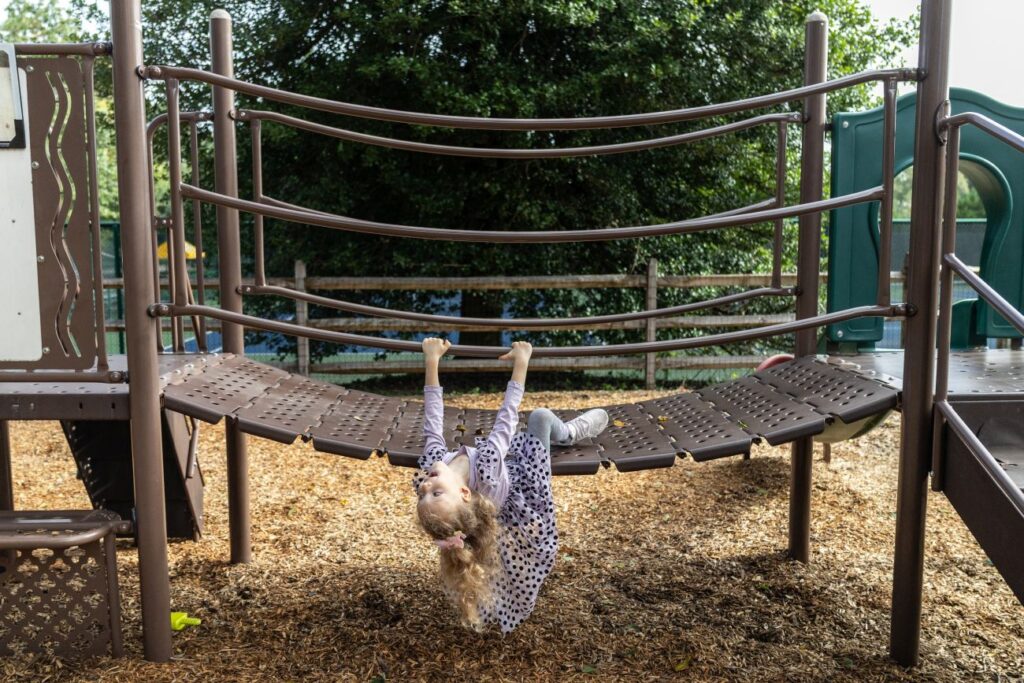
Preschoolers spend part of the day outside on a 9-to-12 schedule and two hours on a full day, weather permitting. Along with a playground and sandbox, they hike around Bryn Mawr College’s campus looking for signs of fall and spring.
Kindergartners have Haverford College’s campus. “It’s their campus too,” Amanda said. They take nature walks, play on the cricket field, and have multiple recesses built into their day. As academics pick up in kindergarten, that outdoor time matters even more. “They’re working really hard in kindergarten,” Amanda said. “They need to have the release.”
Being on a college campus has other perks. “One of the most amazing benefits of going to kindergarten on a college campus was getting to take field trips to the library, science lab, and observatory,” Courtney said.
Time outside also helps kids work through small fears. When a bee buzzes by the playground, preschool teachers turn it into curiosity: What do you see? What do you hear? Kindergartners grab magnifying glasses and look up what they found in a book. One teacher brought in tadpoles that turned into frogs in the classroom. At first the kids weren’t sure what to make of the tadpoles in the tank, but soon they became experts.
When Play Gets Hard
Frustration is part of play, and teachers handle it differently by age. When a toddler grabs a classmate’s block tower, teachers acknowledge both children’s feelings: one is upset, and the other was excited about what his friend was building. Then they give the second child the words to try next time, like, “Can I play with your structure?”
With pre-K and kindergarten students, teachers step back further. They ask what’s going on and encourage the kids to talk it through with each other. For a child who tends to get carried away, a teacher might quietly preview how to use a new material safely, like a set of scarves, before it comes out.
The Planning Skills Hiding in Cleanup Time
Executive function, the skills kids use to plan and organize, shows up all day at Thorne. Children remember where their snack and water bottle go each morning, figure out how to unpack and repack their lunch, and decide what to play and which materials to use.
Cleanup is one of Amanda’s favorite examples. “You could just throw it all in a basket,” she said. Instead, teachers help kids put the cars in the car spot and the pencils where they belong. With a little guidance at the start, kids know the routine and are masters at cleanup from an early age.
Older kids take on bigger plans. When a child wants to get a game of tag going with five friends, teachers ask what they’re going to do and how it’s going to work.
How Do You Know If Your Child Is Ready for Kindergarten?
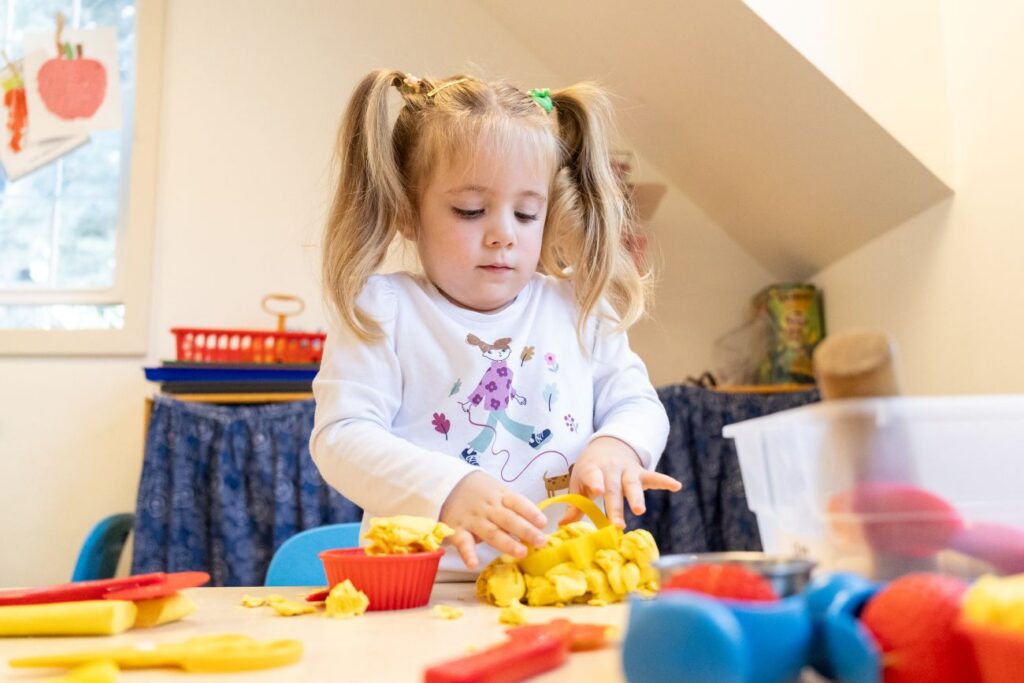
Self help skills are a good indication about a childs readiness for Kindergarten. Can a child take off a jacket, handle lunch, use the bathroom, and remember to wash their hands? “The teachers are not going to be spending a whole lot of time with things like, ‘Okay, so take out your bento box,'” she said.
Listening comes next: paying attention to a teacher or a story, raising a hand instead of blurting out, and speaking up when they need help. “I don’t expect anyone to be able to count to 100,” Amanda said, “but I do expect them to be able to take the lead on getting a material out and using it appropriately.”
The academic skills of incoming kindergarteners vary widely and that is all within a normal developmental arc. Some kids are reading, and some kids are just starting to be interested in letters and numbers. Thorne’s kindergarten is small, with plenty of teachers, so kids work in small groups on whatever they need, from reading to pencil grip. Social skills are a different story. Children leaving Thorne’s pre-K and kindergarten understand the importance of taking turns, see another person’s perspective, and be part of a community.
“Kindergarten readiness is not just about having solid academic skills,” Amanda said. “It’s being ready, excited to learn, having a good sense of self, and understanding how to meet their own needs within a classroom.”
She’d add a love of books, words, and songs, and an early understanding that letters carry meaning, like knowing that an A written on a paper can mean it’s yours.
Support for Speech and Language Needs
Thorne also runs a Language Enrichment Preschool Program, a separate, specialized program for children with speech and language needs. Children work with both a classroom teacher and a speech-language pathologist, with support woven into circle time, story time, and play, the same way Thorne builds language skills across all its classrooms.
Where Thorne Kids Go Next
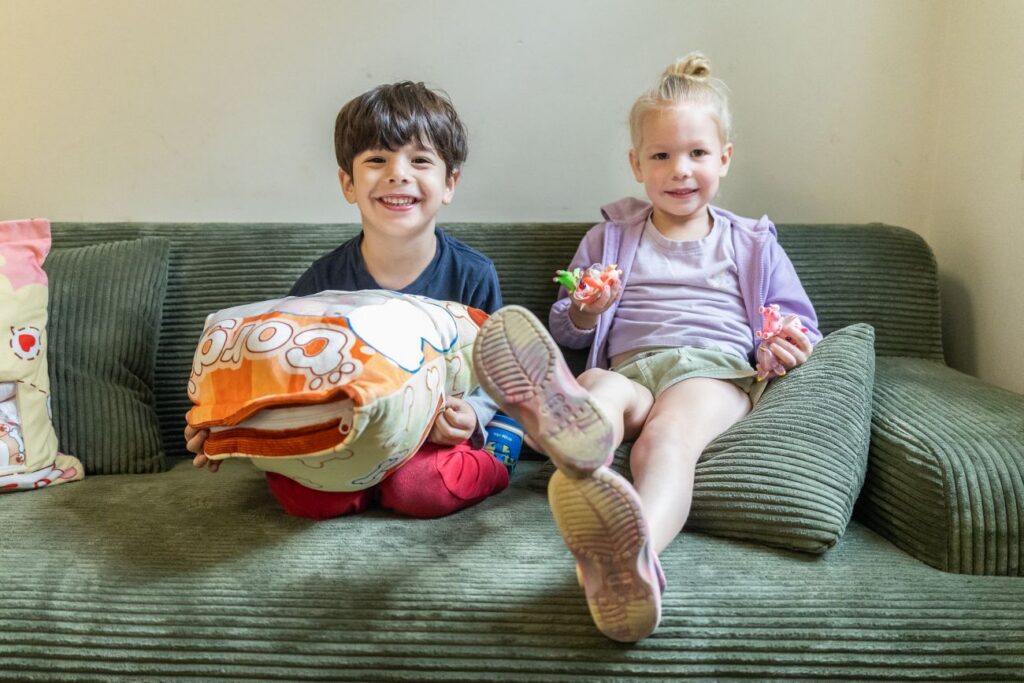
Thorne graduates also tend to be strong problem-solvers, she said. Whether or not they’re reading yet, they can think through a situation and figure out what to do next.
As Courtney put it, “I tell people to consider Thorne because it is a school where children find joy in learning, where their strengths are celebrated, and where family partnership is embraced.”
Photos by Polina Bulman Photography, as seen in the Fall Education Guide.
Phebe Anna Thorne School supports the Main Line Parent Community. Collaborate with us.