“It’s the Main Line’s Best-Kept Secret”: A Parent’s Look at Main Line Classical Academy
Discover how this Main Line private elementary school turns natural childhood wonder into a love of learning across STEM, English, history and the arts
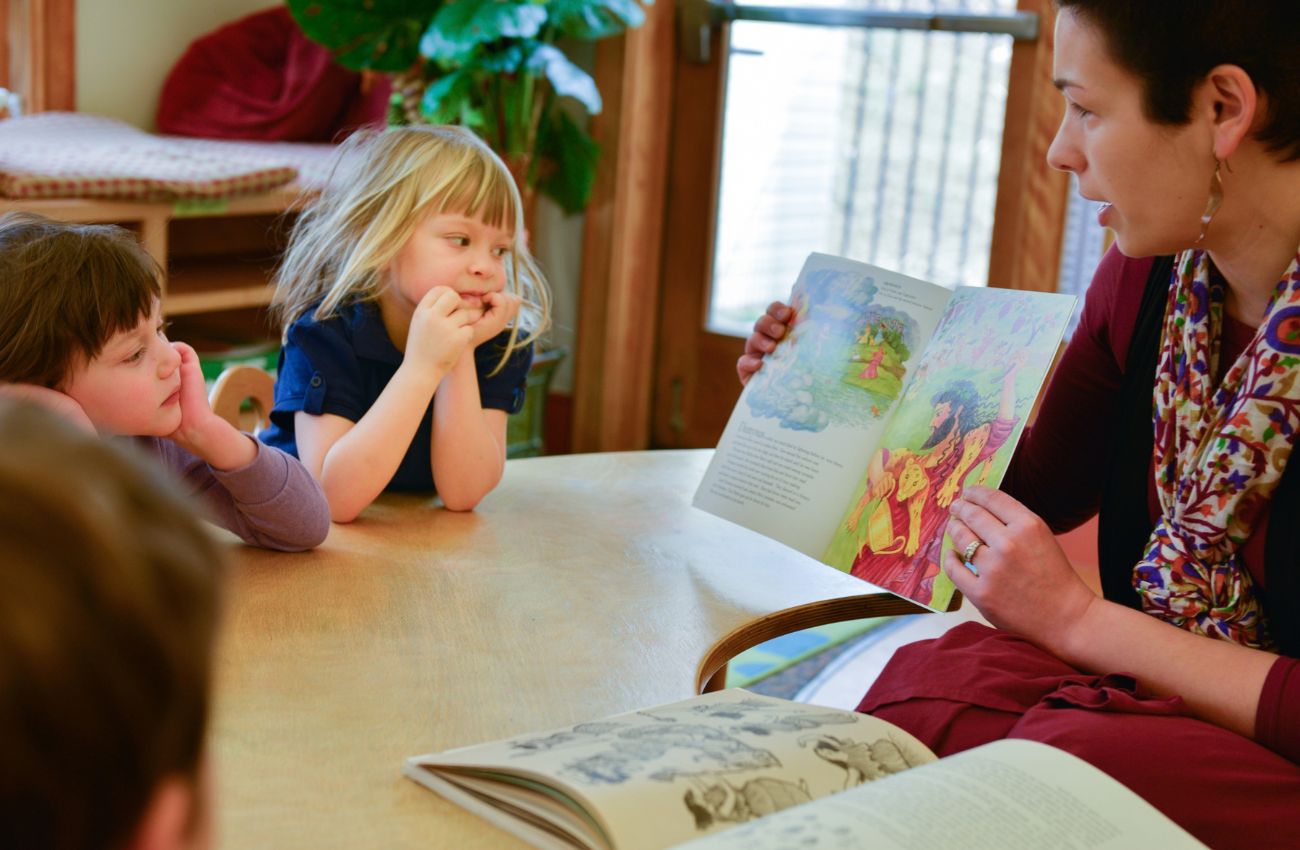
Tucked away on a wooded campus in Bryn Mawr, Main Line Classical Academy (MLCA) is a K–8 private school. Here, children as young as five study the greatest books, art, music and thinkers of Western civilization. They also gain a rigorous education in STEM and an appreciation of the natural world.
We talked to MLCA parents Ameena Schelling and Jim Hao, whose oldest daughter is in second grade. Read on to find out what a Classical education has done for their family. And why they call MLCA “the Main Line’s best-kept secret” for families looking for a Main Line private elementary school.
A Classical Education That Taps Into a Child’s Natural Curiosity
When Schelling and Hao were looking for a school for their oldest daughter, they knew they wanted to find one that mirrored Schelling’s experience growing up in Main Line schools.
“We really wanted to find a school that captured the best of a Main Line education,” Schelling said. “When we were looking at schools, we realized that, even though it’s newer, MLCA best captured everything I valued about my own experience. They offer small classes with extremely dedicated teachers, a rigorous classroom experience that was still fun, and a curriculum that teaches kids to love learning for its own sake.”
MLCA designs its unique curriculum so that, starting in kindergarten, children learn from specialist teachers in each subject, rather than having one teacher for all subjects. At some schools moving up a grade can feel disjointed — there’s a new teacher, a new philosophy, and often an unrelated subject focus. For MLCA students each year progresses naturally on the foundations laid the year before.
“The curriculum unfolds in this beautifully sensible way for a child,” Schelling said. “It builds on itself each year, so every year is like you’re reading a new chapter of the same book.”

A Curriculum Where Each Year Builds on the Last
In kindergarten for example, history, students study the earliest civilizations. They learn about the farming systems of ancient Mesopotamia, or the politics of Ancient Egypt. Then, when teachers introduce topics like the Roman Empire or early American history in later grades, they instinctively tie it back to the foundations of civilization to understand how human society has developed.
“I remember one class was debating the military merits of the Great Wall of China,” Schelling said. “The kids were so excited and engaged in the discussion. They were practically jumping over each other to try to get their ideas heard. You just don’t get that anywhere else.”
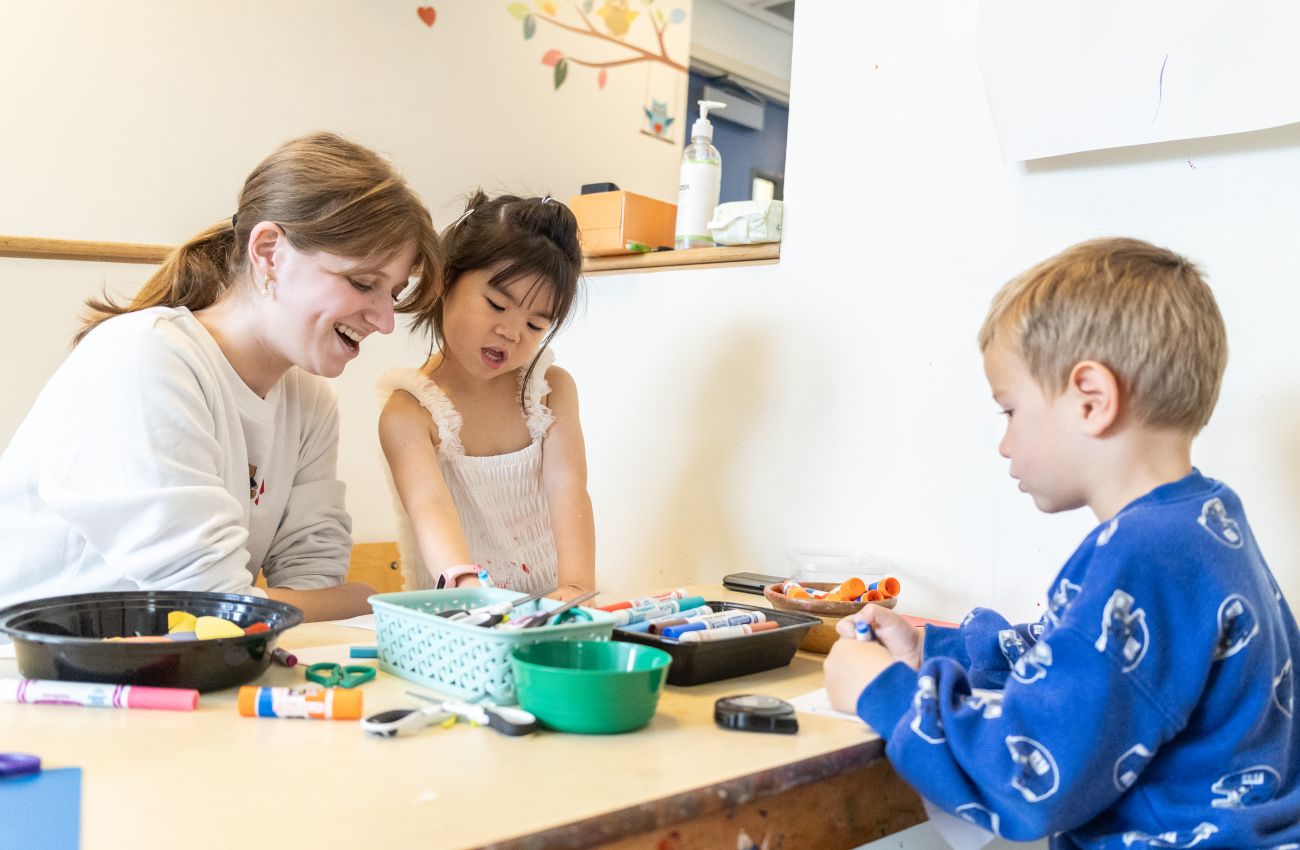
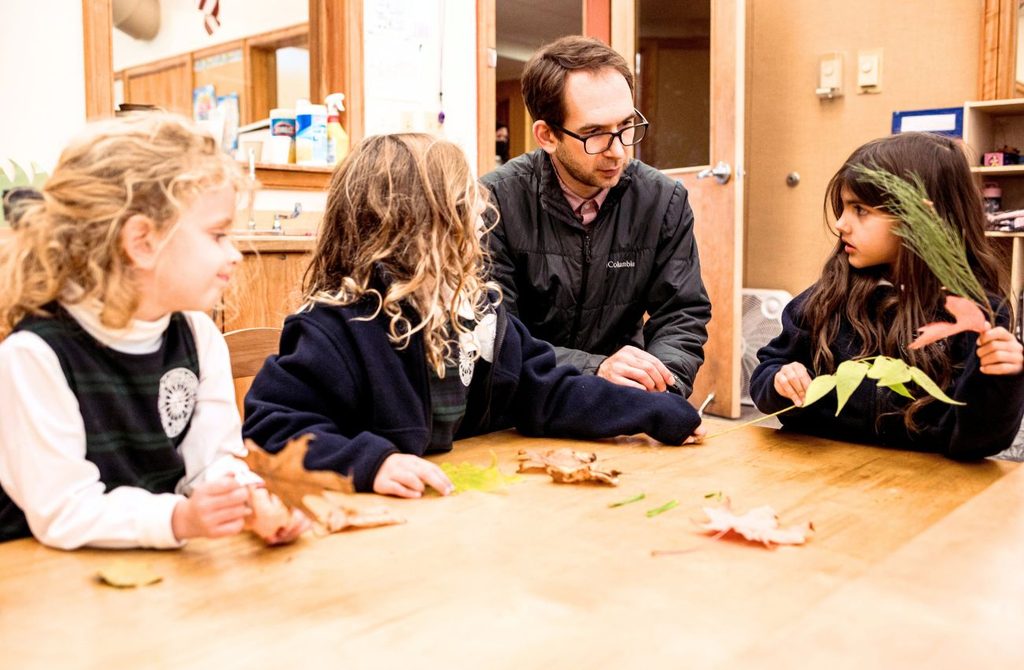
The same logic applies to STEM subjects such as math, science and computer programming. Starting in kindergarten, students are taught by a trained mathematician who introduces foundational math through fun games and hands-on exercises. This fosters excitement around the topic, and students become self-motivated learners as they encounter more challenging and rigorous material later on.
“I think there’s this idea that, to have children excel in subjects like math, you have to force them into it,” Schelling said. “But because MLCA does such a tremendous job laying those foundations early on, it grounds it in this childlike wonder about the world around them, and it’s very natural and exciting for them. It becomes something that’s fun, instead of intimidating, even though the curriculum is very advanced.”
For more on Main Line Classical’s curriculum, read Shaping Renaissance Learners for the 21st Century.
What Is a Classical Education?
Prospective parents often get confused about what Classical education means. “At its simplest,” Schelling said, “it means using an educational approach that has been proven to work for a very, very long time.”
Classical schools focus on time-tested concepts like studying great works of literature, introducing ideas from rhetoric and philosophy, and studying early history as a foundation for understanding the contemporary world.
“It’s really about teaching kids how to think, not what to think,” Schelling said. “You can see it in the alumni — they’re just so confident and comfortable talking to anyone. And whether they decide to go into STEM or liberal arts, they understand the ‘other side’ just as well, which produces really well-informed adults.”
Where Art, Music and Poetry Build Focus and Confidence
MLCA focuses on building well-rounded students. Subjects like art, music and even poetry are part of the core curriculum, rather than “add ons.” Principal Frank Chilbert describes the Lower School curriculum as “designed to cultivate the child’s ability to attend to beautiful things.”
One of the school’s most beloved traditions is Poetry Night. Teachers give students as young as kindergarten a whole poem by poets like Christina Rossetti or Robert Frost to memorize. Then they recite their memorized poem on stage in front of family and friends.
Memorizing a whole poem takes sustained attention, which is a rare skill in an age distracted by tech.
“For centuries, poetry was considered the gateway to literature and reading for young kids,” Schelling said. “But it’s an idea we’ve largely forgotten about in modern education. It’s incredible to see how much the kids love it. It’s like a fish to water.”
Students also receive one-on-one piano lessons, group violin lessons, music theory classes, and art lessons, all of which are included in tuition.
“Whenever you walk into the school, you hear music,” Hao said. “It’s always coming from one corner or the other.”
Students learn to play, study theory, and eventually perform in two concerts a year, much as they do at poetry nights. It teaches children “that there is value to mastery and the pursuit of mastery,” Hao said, while still letting them be joyful kids.
“It’s so transformative to see year over year how your child’s confidence builds through programs like Poetry Night and concerts,” Schelling adds. “From a young age, it protects them against this idea of, ‘I can’t perform.'”
See more about art and music at MLCA. Or, learn more about MLCA’s Lower School English program.

Protecting a Screen-Free Childhood
With an increasing number of parents concerned about the negative effects of screen time and social media, MLCA strives to preserve a screen-free childhood. MLCA believes kids learn best with pencil, paper and engaged, hands-on teachers.
The school uses limited tech, and makes intentional decisions about when it will benefit students — for example, in classes like programming. All parents have to sign a “Tech Pledge” that promises children won’t have smartphone access and will only have limited, supervised screentime at home.
“One of the hardest things parents face when trying to keep their kids off the internet and devices is peer pressure,” Schelling said. “Kids come home from school saying, ‘Hey, my friend has a phone, and they’re giving me Chromebooks in class, so why can’t I get one at home?’ Here, everyone is on the same page, so your kids think going outside and playing is what’s normal and cool, instead of sitting on a device.”
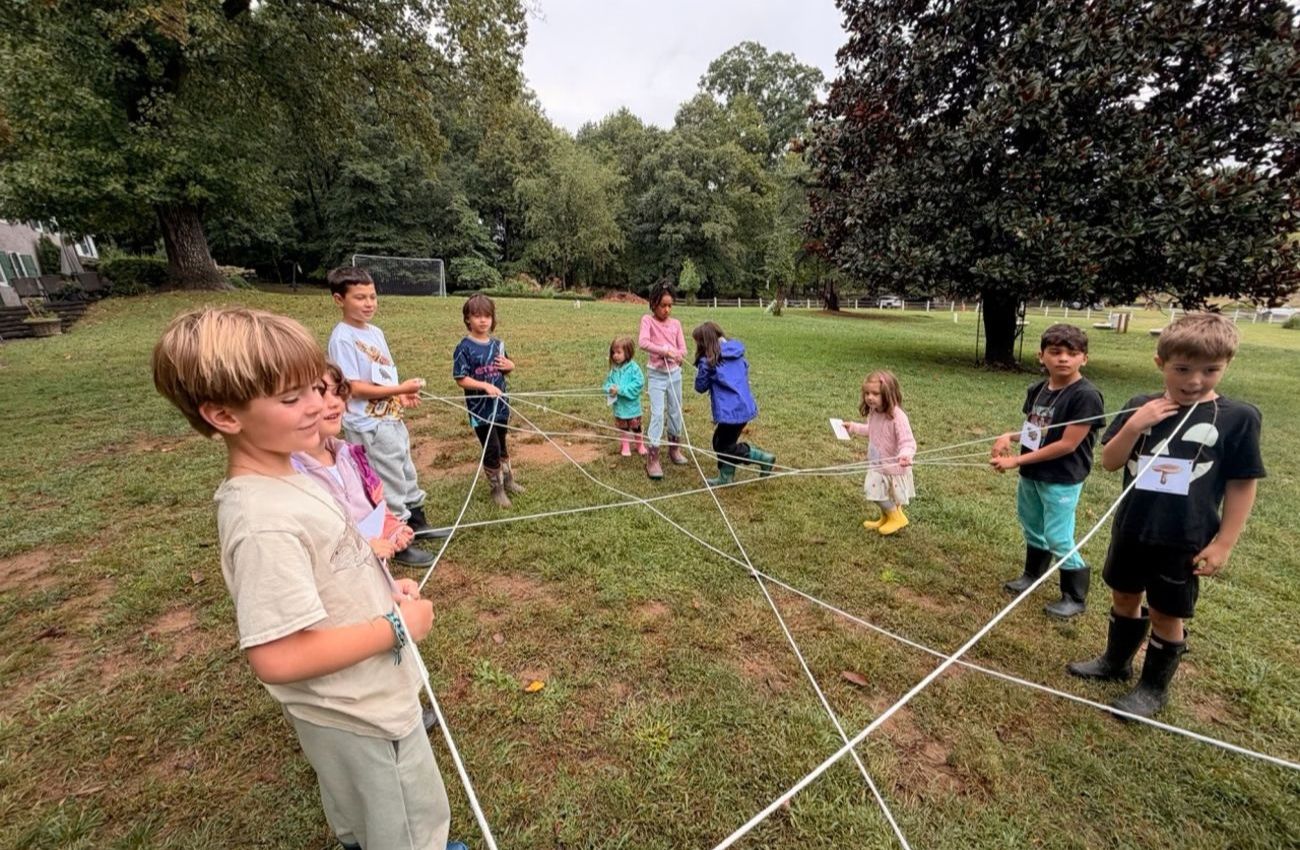
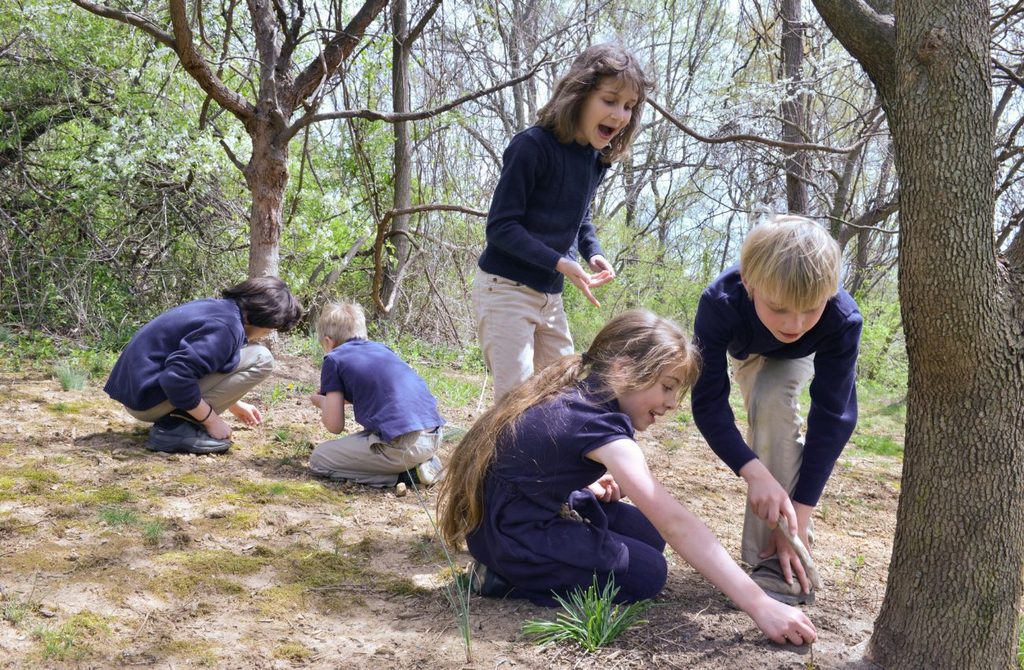
MLCA encourages outdoor play, with up to three recesses a day. The students use that time to explore the Discovery Trail, a student-created path that runs through the wooded campus. Or they practice skills they learn in their “Hands-on Skills” course. This is a weekly class that teaches kids about the natural world. For example, identifying bird calls and animal tracks, or how to build a shelter.
“Last year during one of the snowstorms, a bunch of kids from different grades came together and built a full-scale snow fort during recess,” Schelling said. “It was like four feet high and actually usable. They love putting what they learn in the classroom to use. They’re just happy, active kids.”

Plan a Visit to “The Main Line’s Best-Kept Secret”
Schelling and Hao call MLCA “the Main Line’s best-kept secret” because it answers so many questions and concerns they hear from parents at other area schools.
“We all share the same worries nowadays,” Schelling said. “How do I get my child to actually love school and learning? Can I protect my child from screen time if their school is handing them a tablet? How do I raise a resilient child?”
“Main Line Classical really is the answer to so many of these questions,” she said. “More people just need to know about it.”
Main Line Classical Academy, a private elementary school on the Main Line, welcomes prospective families to visit the school during their Pop-In Day on November 3, 2026 by registering on their News & Events or emailing admissions@mainlineclassical.org. Learn more at mainlineclassical.org.
This Main Line Classical Academy story is featured in the Fall Education Guide.
Main Line Classical Academy’s story supports the Main Line Parent Community. Collaborate.