Bri Stairiker: Room for One More
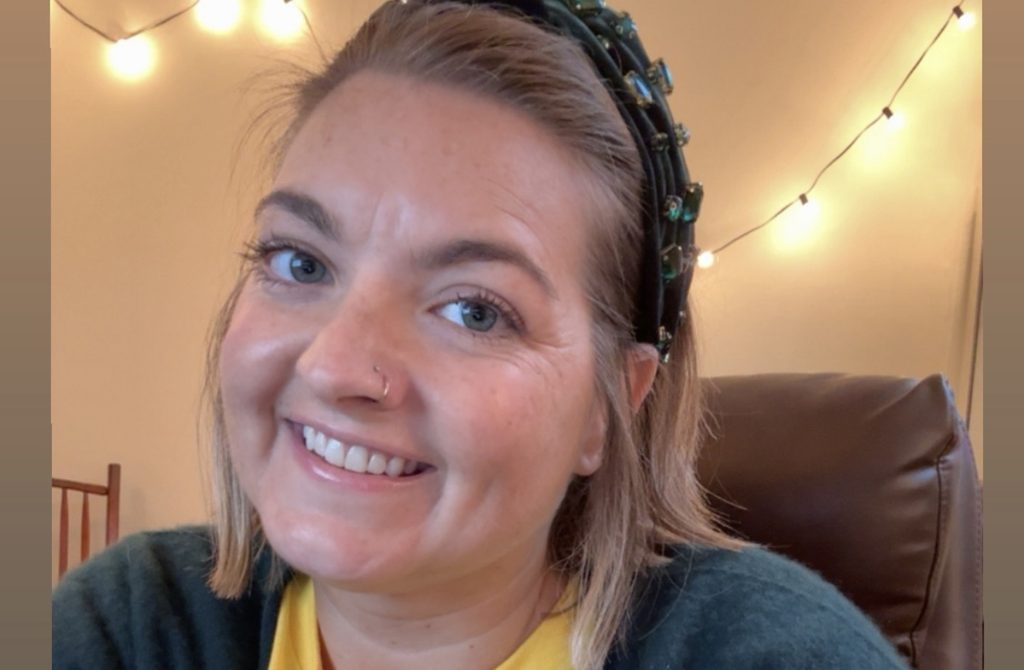
Bri Stairiker built Unwind the Mind Counseling around trauma-informed therapy, then opened her own home to three sisters who needed one, proving that showing up for people, in the office and at the kitchen table, is the same instinct wearing two different hats.
Most mornings start the same way for Bri Stairiker: a walk with her dogs, coffee, out the door by 6:20 am. From there the day could take her anywhere: a school where she runs risk assessments and one-on-one counseling sessions, a virtual session with a foster mom three counties away, or her home office with its three walls of windows, where she watches the deer while she works.
By dinner she’s back at the table with her husband and two teenage daughters, a ritual the family doesn’t skip. It’s a full life built around one belief she’s carried since long before she had a license to practice it. People who spend their lives caring for others need someone caring for them too.
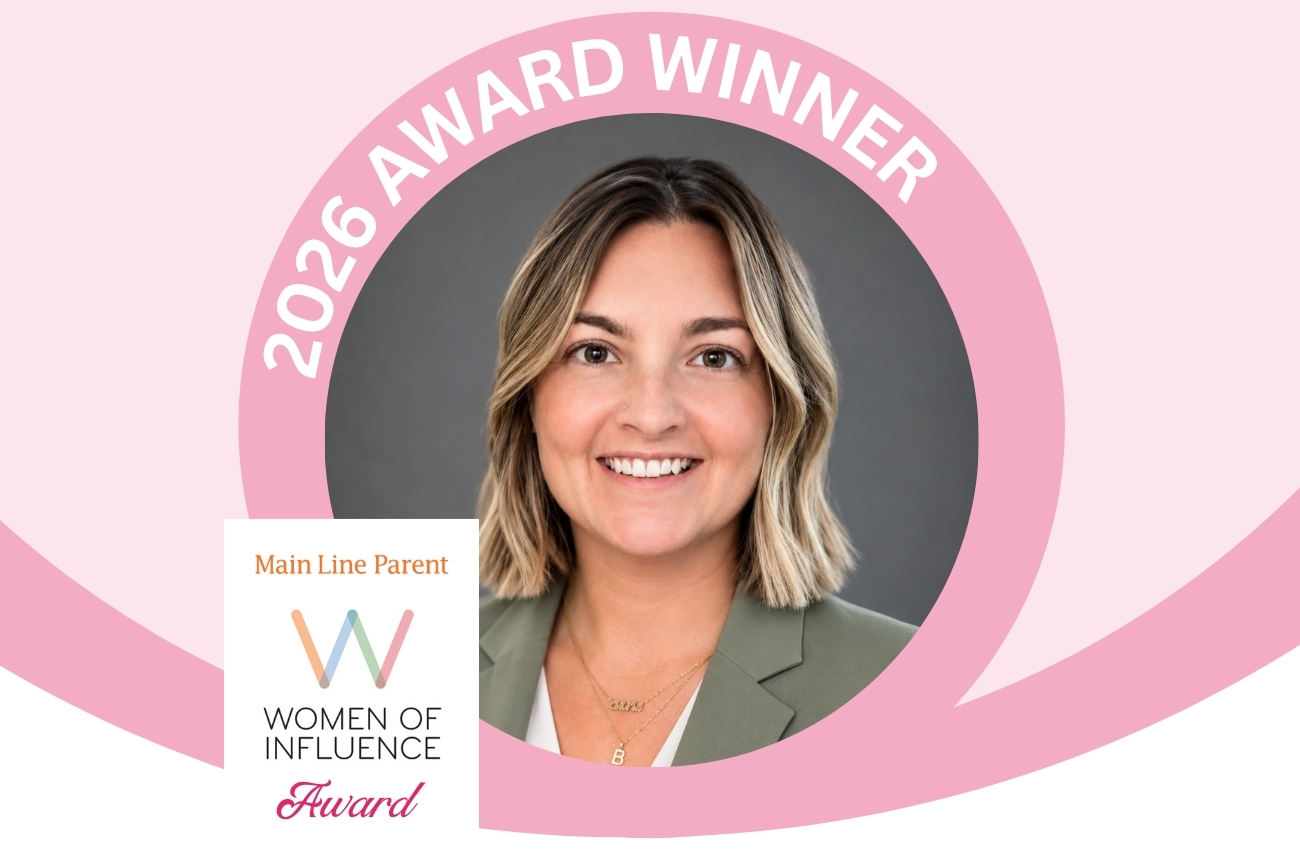
Bri Stairiker is a 2026 Main Line Parent Women of Influence Award Winner
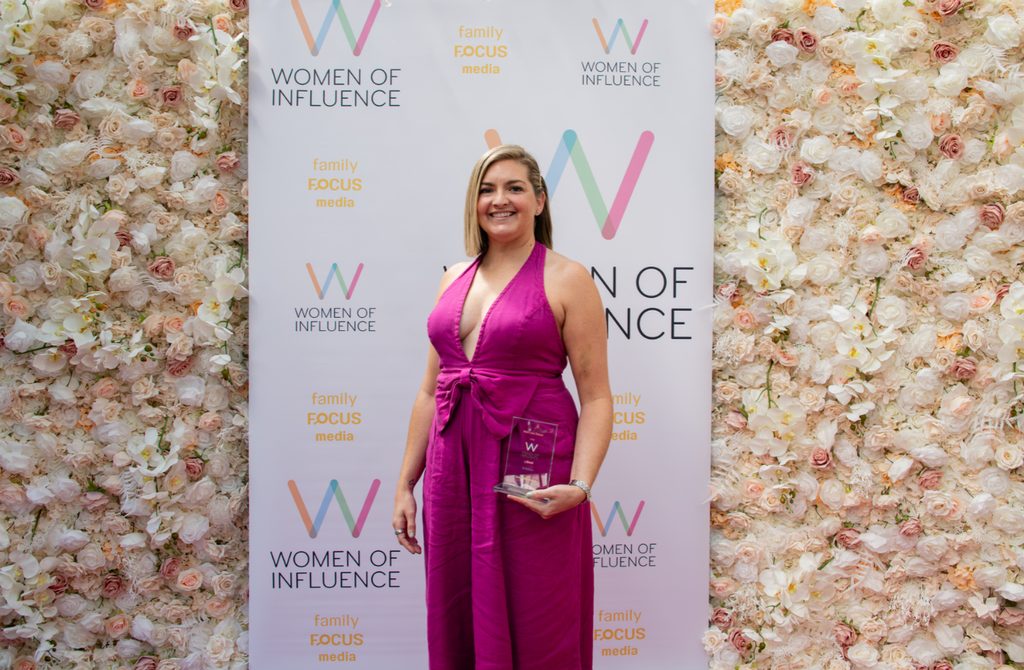
Main Line Parent’s Women of Influence Awards celebrate exceptional women making significant impacts in our community. Bri was nominated by her daughter, Izzy S., and her friend and former colleague, Brie DiGuiseppe, and selected based on her achievements and dedication to creating positive change. Each Women of Influence Award Winner has committed to support Family Focus Media’s core values. Together, we are committed to fostering a sense of belonging and empowerment for all families. All backgrounds, races, genders, and sexual orientations are welcome and safe with us.
Beyond the awards, our Women of Influence Luncheon and Speed Networking Night attendees come together as our Women of Influence Network, a community fostering connections, collaboration, and mutual support.
The Practice She Almost Didn’t Start
Bri had wanted to open a private practice for years before Unwind the Mind Counseling actually opened its doors in 2018. The tipping point was small. She was contracted into a school district, working with a student client, when the contract with the school was set to end. “Her mom called me,” Bri said. “She wanted to keep working with me.”
Bri said yes on the spot, and word spread; a few more clients followed, wanting to stay with her rather than start over with someone new. She charged just $10 a session for two of her first clients to ensure cost never got in the way of continuity of care.
Bri built the practice while working full time, first at Penn Medicine and later at Children’s Hospital of Philadelphia, taking on clients in the evenings and on weekends around a job that already asked a great deal of her. By the summer of 2025, she had gone full time with Unwind the Mind and now works within school districts in addition to her private caseload.
She credits her husband, a partner in his family’s business, with making the leap feel possible long before she was ready to take it: “He always told me, when you do this, you’re going to have to be accessible 24/7,” she said. Insurance, stability, and the logistics of keeping a family afloat while one parent builds something new were things he shared in carrying. “He’s never told me no.”
Kids Who Taught Her The Most
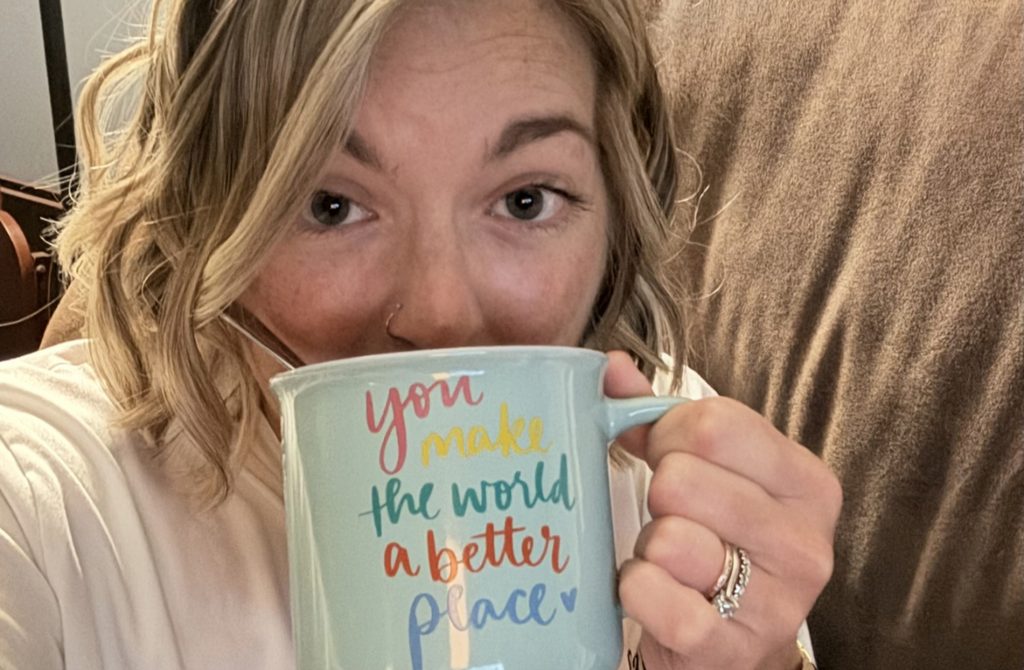
Bri has spent twenty years in the field, across outpatient therapy, juvenile detention, crisis management, schools, and in-home family work. Ask her which of it taught her the most, and she doesn’t hesitate. Baltimore and Harrisburg, she says, where the work was the most raw and the lessons stuck the hardest.
She remembers a five-year-old and a three-year-old, siblings and clients, whose home life had been marked by loss and instability. When Bri gently named how hard that must be for them, they looked at her, unbothered. It was just life, they told her, and it wasn’t hard for them at all. It’s stayed with her ever since as a lesson in how differently kids carry what happens to them.
In another instance, she walked into a Harrisburg courtroom and recognized a fifteen-year-old client of hers in shackles. She advocated fiercely for the belief that kids like him could be rehabilitated rather than written off. “They’re my kids,” she said. “I’m a mom and a clinician.”
Those years also brought the hardest professional loss she’s carried. A young client she worked with for years died by suicide. The experience reshaped how carefully she and her colleagues build safety plans with kids to this day. It’s part of what eventually pushed her away from the highest-acuity levels of care and toward the setting she works in now. She works in schools and private practice, where she can build longer, steadier relationships with the families she sees.
A House Built for Three More
That same instinct, to show up for kids the system wasn’t serving, eventually led Bri and her husband toward foster care. They felt a particular pull toward children who statistics say face the steepest odds. In September 2021, after the couple had already been through the process to foster and adopt, they got a call. There was an emergency placement for three sisters, ages eleven, eleven, and thirteen. “I need to go get bunk beds,” Bri remembers thinking, before she’d even hung up the phone.
The first two years were genuinely hard. Bri is candid that nothing, no training, no years of clinical experience, fully prepares you for what that kind of parenting asks of you. “We needed our village,” she said, and her neighborhood showed up for the family in ways she hadn’t expected to need. What they built together was a home.
Bri’s daughter Izzy, who nominated her for this honor, put it simply in her own words: “She is strong, she is smart, worthy, and everything in-between. She never gives up on my sister and I even when the challenge is hard.” One of the sisters has since been reunited with her biological mother. Another was recently, officially, adopted into the family.
The Gap She Built Her Practice Around
Foster parenting, Bri says, is also one of the more isolating things she’s ever done. It’s something she’s found herself explaining every year at a retreat for foster moms, a rare place where the people around her simply get it without needing it explained.
There’s a real gap between how much support foster and adoptive families need and how little exists close to home. That gap pushed her to expand Unwind the Mind Counseling into dedicated support for foster and adoptive parents.
Her site’s services page, including foster and adoptive parent support, grew directly out of what she wished she’d had when the sisters first arrived.
Where the Calm Comes From
Colleagues describe Bri as steady in a crisis. She’ll tell you that steadiness wasn’t trained into her so much as lived into her. She grew up in a family shaped by addiction and hardship. That taught her early how to stay level-headed when things around her were not. She didn’t start therapy herself until she was sixteen, after her family helped a family member get clean. She’s been in therapy in some form ever since.
“In my house, therapy is a necessity,” she said. “We value ourselves, and then our family, and then work.” Bri and her family are all in some form of therapy today. It’s a value system she knows most families don’t grow up seeing modeled, and one she’s intentional about passing down anyway.
What’s Next
With the practice now her full-time focus, Bri is looking to grow the side of her work built specifically for foster and adoptive parents. It’s the piece she says came directly out of her own early isolation with the girls.
She’d like to reach more families virtually. That’s especially true for those outside the Philadelphia area who don’t have easy access to a therapist who’s lived the foster experience herself. Closer to home, she’s continuing her work in schools. It’s the kind of steady, relationship-based counseling that she says matters more than any single crisis intervention.
And she’s still tending to her own garden, literally and otherwise. The pepper plants and hydrangeas are what she comes back to when she needs a reminder of what she tells her clients. Bri’s practice, her foster parenting, and her own life all circle back to the same image for her. “Flowers mean a lot to me,” she said. “We grow, but sometimes we get sick, and sometimes we mend, just like my pepper plants or my hydrangeas. They keep blooming.”
She knows what it costs to keep blooming in hard soil, because she’s done it herself. She’s spent her career, and opened her home, making sure other people have what they need to do the same. “You need food, water, support, and to believe in yourself,” she said. “You’ll keep blooming.”
Follow Unwind the Mind Counseling at unwindthemindcounseling.com and on Instagram @unwind_the_mind_counseling.
Help us honor Bri by sharing what her contributions mean to you in the comments below.