When Back to School Brings Old Struggles Back: What Sanare Wants Main Line Parents to Know
Your child seemed so much better this summer. Then school started. Sanare explains why that shift isn’t the whole story — and what to do next.
Sanare works with children and teens across the Main Line in Collegeville, Downingtown, Drexel Hill, Exton, and King of Prussia. Every fall, their clinicians see the same heartbreaking pattern: a child who seemed genuinely happy all summer starts struggling again the moment school resumes.
For parents watching it happen, it can feel like all the progress they worked so hard for has simply disappeared.
However, that progress probably hasn’t disappeared — it’s just being tested. And understanding why that September shift happens — and what it’s actually telling families — is often the most important first step toward helping a child through it
What Main Line Families Are Seeing Every Fall
It’s a pattern that repeats itself in households every September. A child who seemed genuinely happier over the summer — less anxious, sleeping better, more like themselves — starts struggling again the moment school resumes.
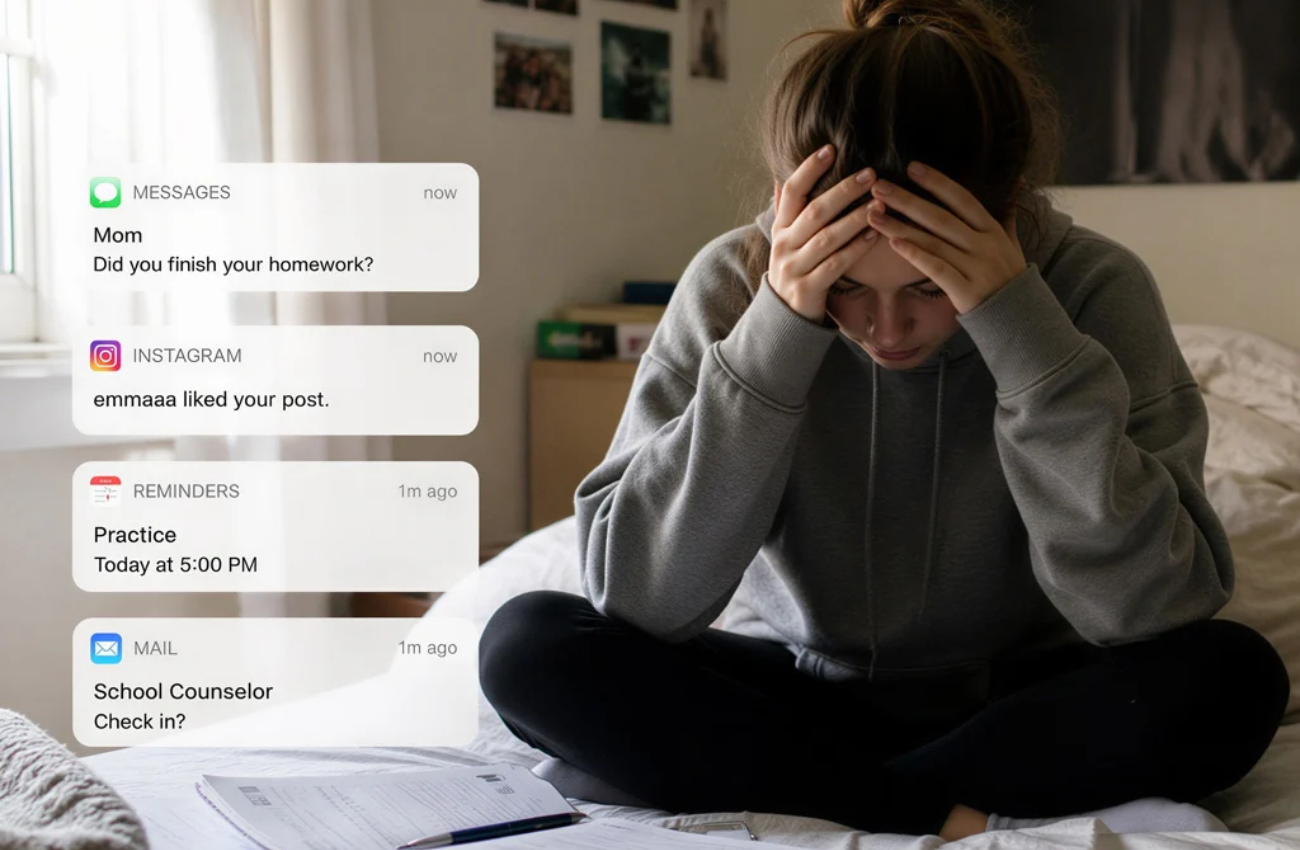
Stomachaches on Sunday nights. Coming home exhausted and irritable. Avoiding things that seemed easier just weeks before.
It can feel like starting over. But often it’s picking up where they left off, with new demands.
Back-to-school struggles are disheartening to witness, but they can tell parents a great deal about what a child is carrying. They reveal what still challenges them, and where they may need to build more strength.
The question worth asking isn’t what went wrong. It’s what school is asking of a child that summer wasn’t.
Five Myths That Keep Parents Stuck
When a child’s struggles resurface in the fall, it’s easy to fall into patterns of thinking that feel logical. But these can get in the way of finding real answers. The Sanare team sees these misconceptions regularly.
Myth 1: If they were fine all summer, the problem must have gone away.
Summer removes many of the things that make school hard. Kids get a break from early mornings, academic pressure, social comparison, constant transitions, and the sustained effort of holding it together for hours at a time. When those demands return in September, symptoms often return with them.
That’s not regression. It’s information.
A child who thrives without structure may be telling their family something important about where they still need support.
Myth 2: They just need a few weeks to adjust.
Sometimes adjustment is exactly what’s happening. But there’s a difference between temporary transition stress and something more persistent. Parents don’t need to panic over every hard afternoon, but they also shouldn’t wait indefinitely while a child becomes increasingly overwhelmed.
Frequent physical complaints, growing school avoidance, significant changes in sleep or appetite, and withdrawal from friends or activities are patterns worth paying attention to.
Myth 3: The teacher says they’re doing great, so this must be a behavior problem at home.
Both can be true. Some children spend enormous energy navigating school expectations, social situations, and anxiety throughout the day. By the time they reach the safety of home, they have very little left.
Rather than asking only why a child behaves differently at home, a more useful question is: what is taking so much out of them during the day? Functioning through the school day is not the same as thriving.
Myth 4: Supporting my child means making the hard thing go away.
When a child is hurting, every instinct says fix it. But children build real confidence through the experience of doing hard things and surviving them. Support and rescue are not always the same.
Validating what a child feels while still believing they can move through it — and helping them practice that — is often more powerful than removing the difficulty altogether.
Myth 5: If they need help again, all the progress we made is gone.
Mental health doesn’t work in straight lines. Emotional strength builds the same way physical strength does. Children grow through practice, repetition, and being asked to use those skills under increasingly difficult conditions.
A child who needs more support this fall hasn’t lost what they built. They may simply be encountering something that stretches their current skills — which is exactly what growth looks like.
“The most rewarding part of this program was seeing my daughter’s enthusiasm and growth as she learned skills to manage the anxiety that had affected her academics, social interactions, and confidence. She proudly shared “before and after” examples of how she would handle situations differently, showing the progress she made. It is not easy to find effective solutions for childhood anxiety, which makes this experience especially meaningful. I am deeply impressed by the team’s care, expertise, and dedication. Their support has made a lasting impact on both my daughter’s life and my own.”
– Stephanie M.

When to Consider More Structured Support
For some children, support from family and school is enough to navigate a rocky September. Others benefit from outpatient therapy. When symptoms are significantly interfering with school, relationships, or daily functioning, a more structured level of care such as an Intensive Outpatient Program (IOP) or Partial Hospitalization Program (PHP) may be appropriate.
Parents don’t have to figure out which level of care makes sense on their own.
Sanare’s outpatient therapy and higher levels of care are designed to meet children and teens where they are. Programs are woven into the week rather than pulling kids entirely out of their lives. Families with questions about what’s appropriate can find answers on Sanare’s FAQs page or reach out directly.
“Sometimes we get really good at operating at 10% battery. We conserve energy, shut things down, and find ways to keep going. But getting by isn’t the same as living fully charged. Seeking support means giving ourselves the space to reconnect, build resilience, and create more fulfilling days, not just for the start of the school year, but for the life beyond it.”
Kate Racine, LPC, NCC
Director of Product Operations
Parents Need Support Too
Back-to-school isn’t only a transition for kids. Suddenly parents must manage schedules, monitor homework, coordinate activities, and hold together morning routines — all while watching a child struggle and trying to gauge whether to intervene or hold back.
A parent’s own steadiness matters more than most parents realize. There are two questions worth separating: “What does my child need from me right now?” and “What do I need so I can keep showing up for my child?”
Supporting a struggling child requires patience, consistency, and real connection. Parents need places to recharge those things too.
A Struggle in September Isn’t the Same as Starting Over
If a child seemed like a different kid this summer and is struggling again now that school has started, that shift is worth paying attention to. However, it’s not the whole story.
It may mean they need more practice using their skills under pressure.
It may mean something about the school environment that needs attention.
Or it may mean the support that was enough before needs more structure now.
At Sanare, the belief is that children and teens shouldn’t be defined by the moments when they’re struggling. They need opportunities to practice, build skills, and strengthen what is already within them through structure, creativity, and real human connection.
Sanare’s Main Line locations serve families with in-person care in Collegeville, Downingtown, Exton, Drexel Hill, and King of Prussia, plus virtual care available throughout Pennsylvania. Most major insurance plans are accepted. Families can check coverage on the insurance page or get started at sanaretoday.com.
This Sanare story is featured in the Back to School Guide.
Sanare’s story supports the Main Line Parent Community. Collaborate with us.