Failure to Launch on the Main Line: How Matthew Quinn Is Helping Young Adults Move Forward
For parents watching a capable young adult go nowhere — and not knowing what to say or do — Matthew J. Quinn, a licensed therapist and coach serving the Philadelphia area, offers a different kind of help, starting right where families need it most.

You raised them. You love them. You gave them everything you had. And yet, at 24 or 28 or 33, your adult child is still sleeping in the same bedroom they grew up in — or cycling back to it. Matthew J. Quinn, a licensed mental health counselor and coach serving the Greater Philadelphia area, has spent more than two decades working with exactly these families. He has a message to parents wondering what happened and what — if anything — can still be done: you are not alone, and you are not to blame. But you may be more powerful than you realize.
These are not lazy young people. They are often intelligent, perceptive, and deeply sensitive — and they are profoundly stuck. Beneath the surface of avoidance and apparent indifference lies a complicated mixture of anxiety, shame, perfectionism, fear of failure, and unresolved trauma.
What Is “Failure to Launch”?
“Failure to launch” isn’t a clinical diagnosis. It’s a pattern — one that describes a young adult who hasn’t achieved the developmental milestones expected of their age. These include independent living, stable employment or academic progress, healthy social relationships, and a functioning sense of self. The age range matters. It spans what researchers call “emerging adulthood” through what society reasonably expects to be established adulthood — roughly 21 to 35.
Common signs include:
- Avoidance of job applications, interviews, or career planning
- Social withdrawal, loss of friendships, and isolation
- Excessive screen time, gaming, or substance use as escape
- Resistance to therapy, coaching, or help of any kind
- Chronic sleep disruption and reversal of day/night cycles
- Emotional volatility — anger, defensiveness, or flat affect
- Financial dependence with little or no motivation to change it
- Starting projects or jobs and abandoning them quickly
- A pervasive sense that they are “different” from peers or “behind”
If your adult child is living at home with no clear forward momentum, resistant to help, and increasingly withdrawn, the pattern may apply — and professional support can make a significant difference.
Why Is This Happening? The Roots Run Deep.

There is rarely a single cause. Failure to launch is almost always the result of multiple converging forces — internal, relational, and cultural. Understanding these forces isn’t about excusing behavior. It’s about finding the right leverage point for change.
1. Anxiety and Perfectionism – Many young adults who appear unmotivated are, in fact, paralyzed by anxiety. They’ve internalized a belief — often unconscious — that if they try and fail, they will confirm their worst fear about themselves: that they are not enough. Inaction feels safer than risk. “The job application that never gets sent, the class they dropped — these are not failures of character,” Quinn says. “They are symptoms of a nervous system that has learned to equate vulnerability with danger.”
2. Undiagnosed or Undertreated Mental Health Conditions – ADHD, depression, anxiety disorders, and bipolar disorder frequently go unaddressed well into adulthood. These are not excuses — they are neurobiological realities that require proper assessment and evidence-based treatment. A young adult who cannot regulate their emotions, sustain attention, or get out of bed is not being defiant. They may be fighting a battle their parents cannot see.
3. The Digital Trap – Social media, video games, and online communities offer something the real world makes increasingly hard to come by: immediate reward, a sense of belonging, and the absence of consequences. For a young person who has been humiliated, rejected, or disappointed in real life, the screen becomes refuge. It’s a rational adaptation to perceived threat — and a loop that has to be broken.
4. Family System Dynamics – This is the part that many do not want to hear — and the part that is most important. The family system often plays a role in maintaining the very patterns parents want to change. Enabling, rescuing, over-functioning, and emotionally enmeshed relationships can inadvertently signal to a young adult that they do not need to — and perhaps cannot — survive without the family’s intervention. This isn’t an accusation. It’s an invitation to look honestly at the whole system.
5. A World That Has Changed Dramatically – The economic and social landscape that today’s parents navigated at 25 is not the landscape their children face. Housing costs, student debt, a fractured job market, the aftermath of a global pandemic, and a cultural crisis of meaning and belonging have all made traditional markers of adulthood harder to reach. This context does not eliminate personal responsibility — but it does demand our empathy.
What Parents Are Getting Wrong — With the Best Intentions

Love is not always enough. In fact, love expressed in certain ways can deepen the very problem you’re trying to solve. Here are the most common, well-intentioned patterns that often backfire:
Ultimatums without follow-through. Threats to cut off financial support, set firm deadlines, or enforce consequences — followed by backing down — teach young adults that the rules aren’t real. Consistency matters more than severity.
Solving problems for them. “Competence builds confidence,” Quinn says. “It cannot be borrowed.” When a parent makes the call, fills out the form, or resolves the conflict on behalf of their adult child, they deprive them of the very experiences that build it.
Making it about yourself. “After everything I’ve done for you…” is understandable. It is also counterproductive. Shame rarely motivates. It more often drives withdrawal, resentment, and deeper avoidance.
Normalizing the abnormal. Accommodating indefinite stasis because confrontation is painful, only extends it. “Compassion must be paired with honesty,” Quinn says. “Kindness without clarity is not kindness — it’s enabling.”
Waiting for them to be ready. Young adults stuck in failure-to-launch patterns rarely reach out for help on their own. The longer a family waits, the more entrenched the pattern becomes.
For families who’ve recognized themselves in any of these patterns, it’s worth knowing that awareness can be the first step towards making a change.
“Matt helped our son go from struggling with anxiety and addiction to finding his inner strength, resilience and confidence.”
– Michele F
What Actually Works
Quinn’s approach draws on cognitive behavioral therapy, motivational interviewing, narrative theory, and rational emotive behavior therapy. research and clinical experience consistently point toward a handful of guiding principles.Setting clear and compassionate expectations. Stopping the cycle of rescue and letting natural consequences teach what lectures cannot. Focusing on the relationship before the correction — connection first. Addressing the family’s own anxiety and enabling patterns in parallel with whatever is happening with the young adult.
Small steps count. “Forward movement in any direction matters,” Quinn says.
A Different Kind of Help — Brought to Your Door
For many young adults in this pattern, the barrier to walking into a therapist’s office is simply too high. Too much anxiety. Too much shame. Too much activation of the very avoidance that has kept them stuck.
That’s why Quinn offers concierge home visit therapy and coaching. This fully personalized, in-home service removes the barriers to engagement and brings evidence-based support directly into the family’s environment. Whether the young adult is willing to participate initially or not, Quinn works with the entire family system. This helps parents establish healthier patterns while gradually building a therapeutic relationship with their son or daughter.
Home Visit Services Include:
- Individual therapy for the young adult in their home environment
- Parent coaching and family systems consultation
- Structured life skills development and accountability support
- Career strategy and motivational interviewing
- Emotion management and cognitive behavioral skill-building
- Addiction and substance use assessment and coaching
- ADHD and executive function support
- Coordination with other treatment providers as needed
Quinn holds a Master of Science in Mental Health Counseling from Fordham University, an MBA in Strategic Management from Pace University, and a Bachelor of Arts in International Politics from Penn State. He is licensed in Pennsylvania and Washington, D.C., and serves clients across the Philadelphia and D.C. metro areas. He is currently accepting new families in the Greater Philadelphia region, including the Main Line, Bucks County, and surrounding communities.
The window for change is never fully closed. But the earlier a family acts — and the more strategically they engage — the better the outcomes.
Main Line Parent readers can learn more about Matthew J. Quinn and request a complimentary consultation directly at 202-750-1276 or info@matthewjohnquinn.com.
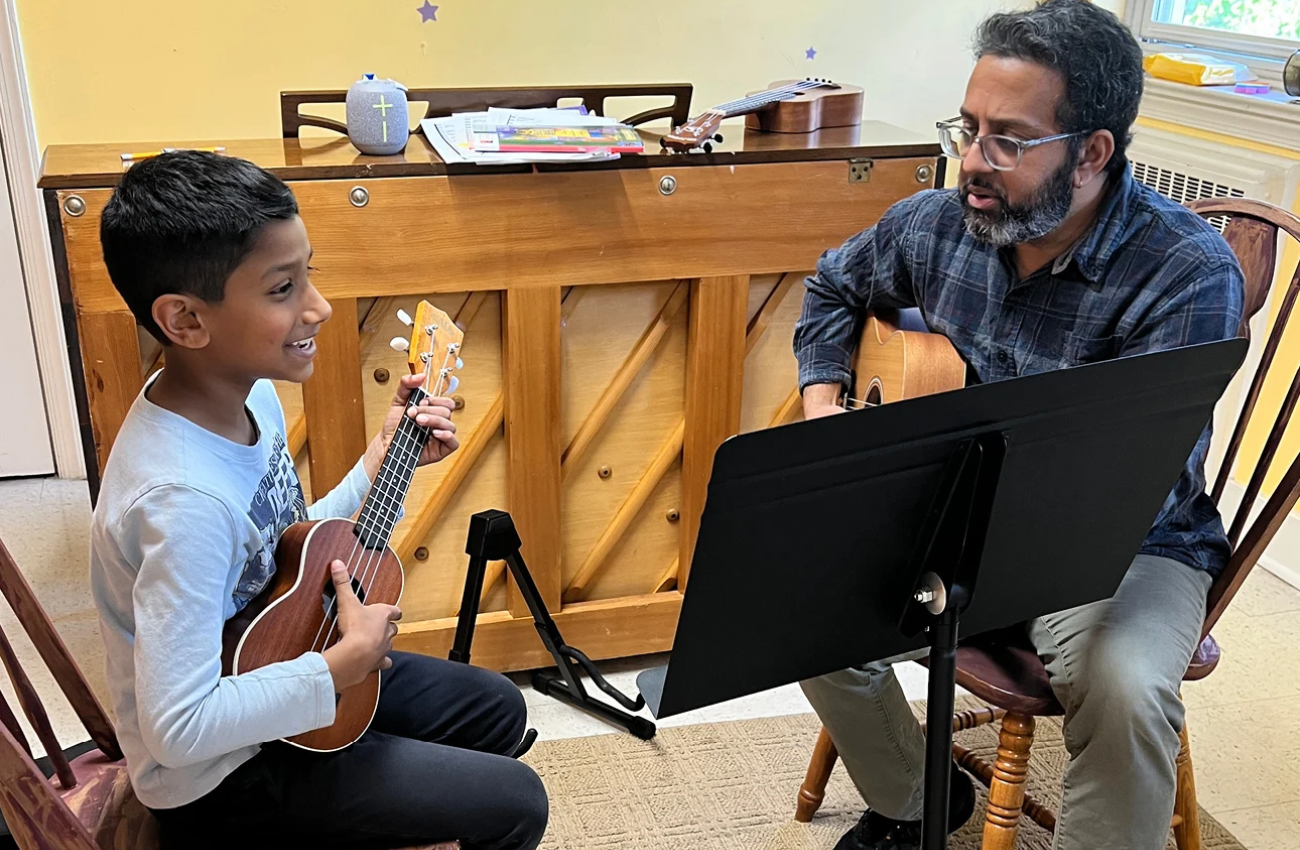
Photos courtesy of Mattew J. Quinn.
This Community Blog Post supports the Main Line Parent Community. Collaborate with us.