A Living Curriculum: Environmental Science at Westtown School
Westtown School transforms its 600-acre campus into a living laboratory where students engage in hands-on environmental science from Lower School through Upper School.

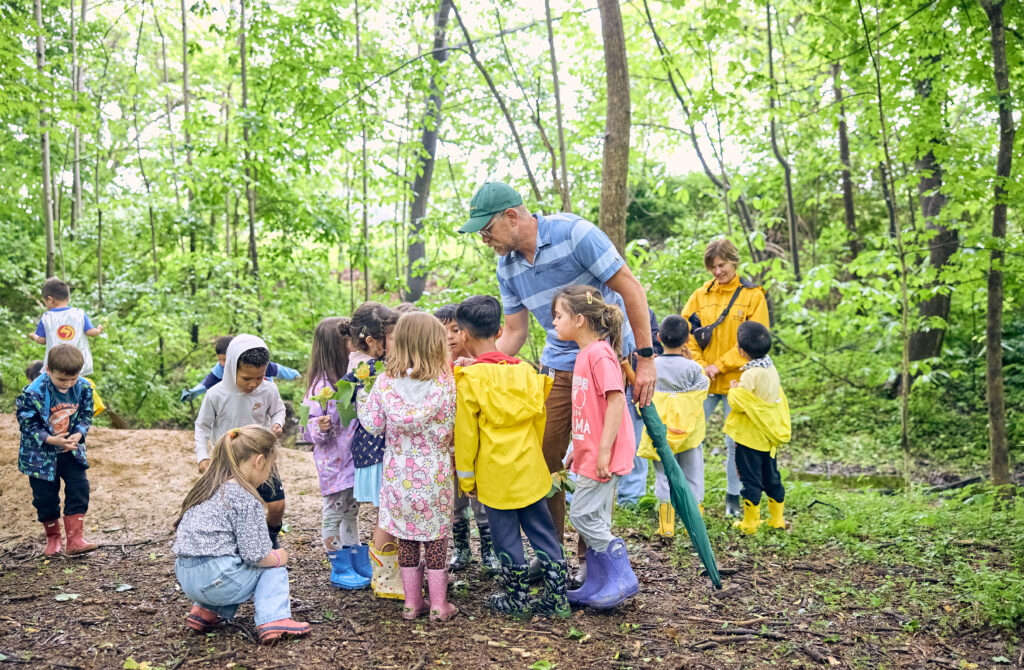
At Westtown School, learning extends beyond classrooms. It takes root in forests, thrives in greenhouses, and blossoms through the hands-on experiences that define their environmental science program. The youngest learners explore composting in Lower School, while Upper School students conduct advanced field research. Westtown students grow into curious, capable, and compassionate stewards of the planet.
“Our science program cultivates not only critical thinking and scientific knowledge, but also a deep reverence for the natural world,” shares Chris Wills, Assistant Head of School for Program and Community. “We believe students should engage with real-world problems. They should develop a sense of ethical responsibility in their discoveries and connect their learning to the broader well-being of the world around them.”
Building Scientific Knowledge Across All Grades
Westtown spirals its science curriculum across divisions, rooting it in the Next Generation Science Standards and infusing it with Quaker values that center truth-seeking, community, and integrity. In Lower School, students grow food, study soil, and take responsibility for campus-wide composting and recycling. As they grow, they develop habits of observation and care that lay the foundation for increasingly complex inquiry.
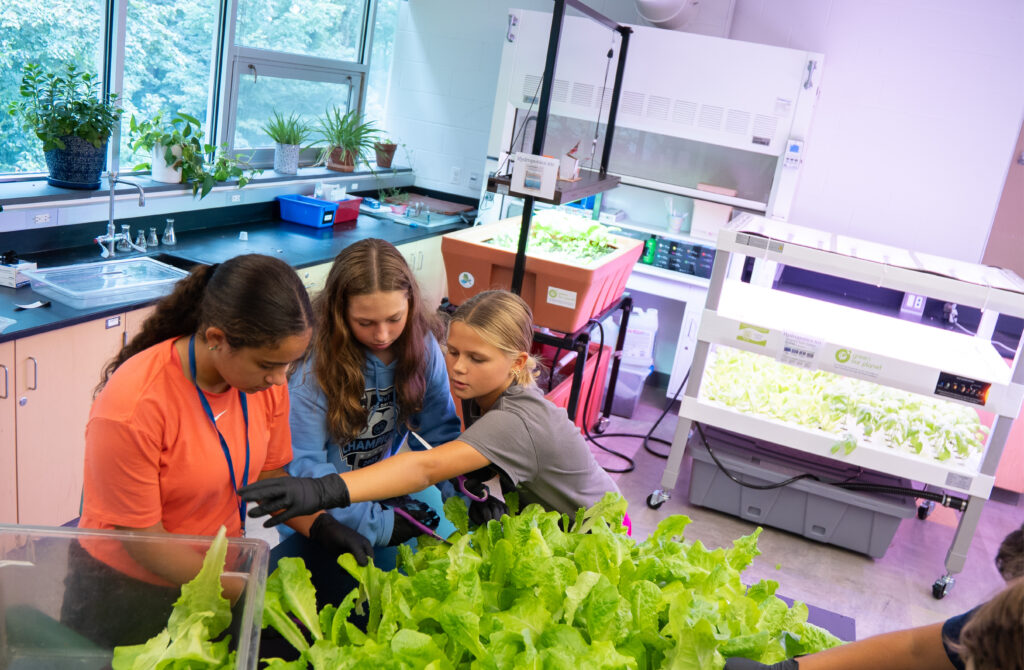
Middle School scientists design hydroponic systems, experiment in the campus greenhouse, and build connections between environmental, physical, and life sciences. This hands-on, problem-solving approach culminates in Upper School with advanced coursework in Environmental Science and Scientific Research. Students conduct original studies and apply their knowledge in tangible, impactful ways. They study shorebird migration along the New Jersey coast, survey freshwater mussels in East Chester Creek, and observe owl banding with local conservation partners. These experiences allow them to contribute real data to regional conservation while sharpening their research skills.
Learning Through Outdoor Exploration
Westtown’s Outdoor Education Program deepens this experiential approach by blending academic curriculum with self-discovery. Students learn survival skills, extract sap from maple trees, canoe, and identify plants while hiking rugged terrain. Teachers guide them to listen “to nature’s profound rhythms.” As Director of Outdoor Education Chris Henwood-Costa explains, “This work—connecting with the land, exploring the outdoors, and spending intentional time in nature—serves as a vehicle for self-discovery. Who am I? How do I engage with people and how do I engage with this land? Am I taking care of myself? What is my responsibility?”
The program also invites students into relationships—with the land, with one another, and with their role as changemakers. “We want our students to be both capable scientists and courageous citizens,” Wills explains. “That means developing the skills to ask big questions, investigate them with rigor, and take action with empathy.”
A Campus That Teaches Sustainability
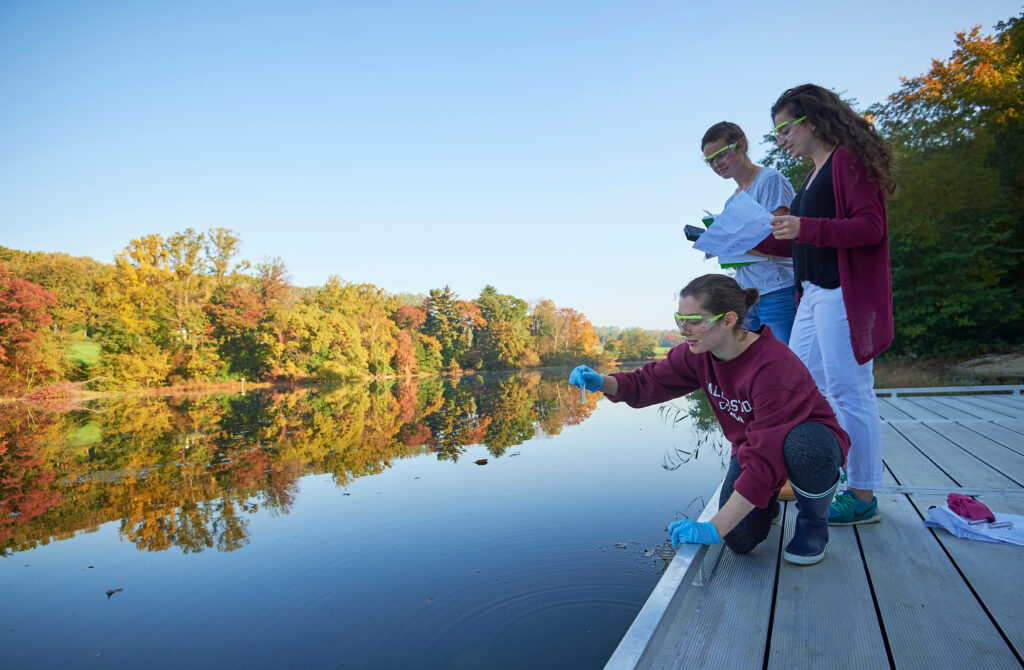
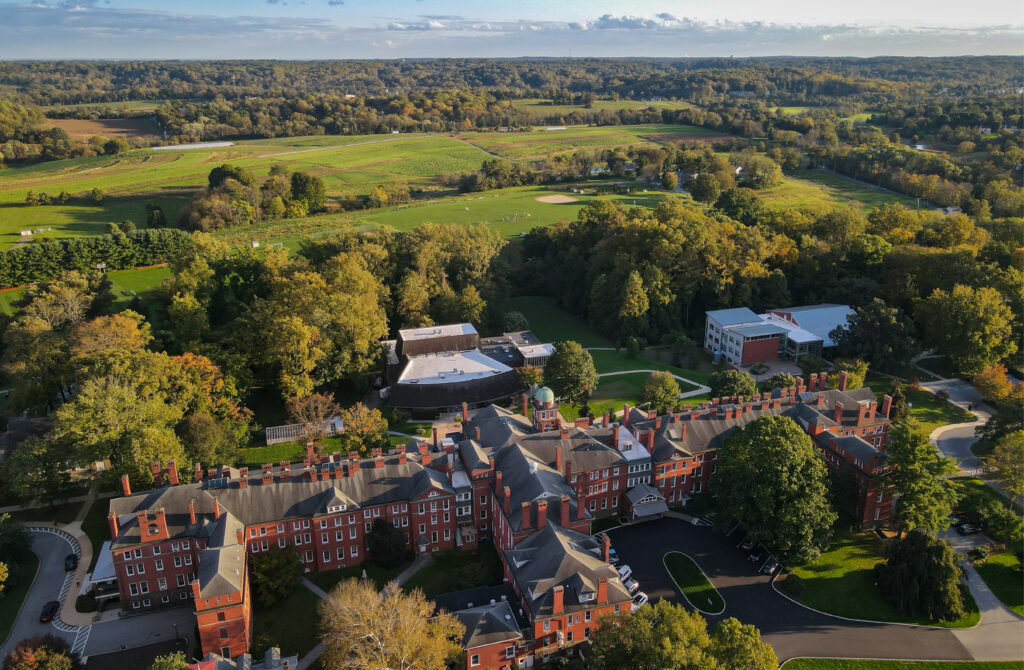
Westtown’s campus—600 acres of woodlands, wetlands, and working farm—serves as an essential classroom. Students don’t just read about environmental systems; they live them. They collect stream samples, manage compost, and harvest produce from the farm. Every experience challenges, inspires, and grounds their learning in the real world. As Westtown’s Director of Sustainability, Francine Locke, observes: “Westtown is a true leader in education for sustainability. The campus is a living laboratory and an outdoor classroom, and the curriculum reflects the abundance of natural resources present at the school.”
Westtown extends this integration of sustainability and science to its infrastructure. The school’s new 2.1 MW solar array offsets more than 90% of the campus’s electricity use and gives students a powerful tool for hands-on learning. Projects like this make the campus not only a place to learn about the environment but also a living model of sustainability.
Preparing Future Leaders Through Sustainability
The recently adopted five-year Sustainability Plan strengthens this vision. Organized around three focus areas—Infrastructure and Operations, Education and Health, and Environment and Climate—the plan commits Westtown to achieving carbon neutrality, eliminating waste through a Zero Waste approach, expanding sustainable transportation, and protecting biodiversity across campus lands and waterways. Students and faculty already collect baseline data on energy and waste and assess the health of natural resources. Faculty professional development ensures that sustainability threads through every discipline. The plan also creates student leadership opportunities in all divisions and connects Westtown’s local work to global initiatives such as the United Nations Climate Conference.
This whole-school framework makes clear that sustainability guides every corner of life at Westtown, from renewable energy and responsible dining to outdoor education, social justice, and student wellness. Together, these practices define a Westtown education—one that equips students not only for success in college, but for lives of purpose, leadership, and service in a rapidly changing world.
Westtown School’s story supports the Main Line Parent Community’s Education Guide. Collaborate with us.