Why Sleepaway Camp Is One of the Best Gifts You Can Give Your Child
A Main Line parent shares how sleepaway camp has helped her kids build independence, confidence, and life skills that prepare them for college, friendships, and the real world
For many parents, the idea of sending their child to sleepaway camp brings mixed emotions. There’s excitement for the adventures ahead, but also nerves about letting go.
Yet year after year, campers return home more confident, independent, and resilient. Beyond the fun and friendships, sleepaway camp gives kids valuable life skills that prepare them for the future in ways school and home life can’t always replicate.
Family Focus Media Content Director, Pamela Badolato, shares some of her feelings about the importance of sleepaway camp for kids.
Looking for the perfect fit for your camper? Explore our Main Line Camp Guide to discover local options for every age and interest.
- The Benefits of Sending Kids to Sleepaway Camp
- Fostering Independence
- Learning to Problem Solve
- Taking Responsibility
- Building Confidence for Future Adventures
- Preparation for College and Beyond
- Teamwork and Communication
- Strengthening the Parent-Child Relationship
- Sleepaway Camp: Summer Fun and Skills That Last a Lifetime
The Benefits of Sending Kids to Sleepaway Camp
Sleepaway camp teaches kids far more than archery and canoeing. The real magic happens in everyday moments — making decisions, solving problems, and learning to thrive independently. Here’s how camp shapes confident, capable young people.
Fostering Independence
At camp, kids learn to rely on themselves in new ways. They decide what to wear each day, how to organize their bunk, and whether to stay up chatting with friends or get a good night’s sleep.
Even simple choices — what to eat in the dining hall or which activity to sign up for during free time — help them practice making decisions and taking responsibility for those decisions.
“Our children’s lives have become so scheduled during the school year, so giving them this chance to choose their activities and make new friends, is a huge benefit of sending them away to sleepaway camp,” said Pamela. “Without parents guiding every move, campers begin to trust their own judgment and feel proud of what they can do on their own.”
Learning to Problem Solve
Inevitably, camp comes with challenges — disagreements with friends, missing home, or feeling nervous about trying something new.
Without a parent, teacher, or guidance counselor stepping in to smooth things over, campers learn to navigate these moments themselves. They discover how to talk through misunderstandings, compromise, and move forward without letting one rough day ruin a friendship. These small but important lessons build emotional resilience and confidence in their ability to handle future bumps in the road.
Taking Responsibility
Whether it’s making their bed, tidying up after arts and crafts, or keeping track of their belongings, campers quickly learn that everyone contributes to the group’s well-being.
Living in a cabin or cabin means doing your part — cleaning up, respecting shared spaces, and being accountable to others. These responsibilities, while small, give kids a sense of pride and ownership that often sticks with them long after camp ends.
Building Confidence for Future Adventures
Sleepaway camp is often the first step toward other independent experiences like teen travel programs or study abroad opportunities.
Having successfully lived away from home, campers return eager for new challenges. They’ve learned that they can handle being away, solve problems on their own, and form strong friendships in unfamiliar settings.
“After 3 years of sleepaway camp, my oldest decided he wanted to try something new,” said Pamela. “He chose a teen travel tour and we looked at various companies and destinations together.”
“His first year he chose Costa Rica and his second year he chose a service trip in Peru. Although there are counselors at the airport with the travelers, there are times they have to pivot and make alternative arrangements,” she said.
“During both of his trips, there were issues with how he got home. But being able to do this on his own — and knowing his counselors were there, and we were only a phone call away — gave my son such an incredible confidence and sense of accomplishment, in addition to what he learned and gained on his trips,” Pamela said.
Preparation for College and Beyond
Many parents find that the skills learned at camp translate beautifully to life after high school. When it’s time for college or their first jobs, kids who’ve spent time away from home already know how to live independently, manage their own routines, and connect with new people.
They’re more comfortable with change and more adaptable in new environments—qualities that help them thrive not just in college, but in the workplace and beyond.
Teamwork and Communication
Camp life is full of collaboration — whether it’s building a campfire, performing in a talent show, or working together to win the color war.
Campers learn how to communicate clearly, share ideas, and support one another. These teamwork skills extend far beyond the summer, helping kids become empathetic classmates, teammates, and leaders in their communities.
“The senior bunks at our camp participate in two collaborative activities at the culmination of color war each summer,” said Pamela. “The boys have Rope Burn, where each member of the team has a role in preparing wood, starting a fire from a flint and steel, and building that fire up until it reaches a rope strung up high between two poles. The winning team is whoever’s rope burns into two pieces first.”
“The girls have a Chariot Race in which each girl has a role in building their chariot from wood, nuts, bolts, etc., and then racing the chariot in a path around camp,” she said. “The first team to the finish line wins.”
She added, “Neither activity would be possible without the unique role each bunkmate plays in their group. Win or lose, they gain so much from these activities, as well as being role models for the younger campers who get to watch.”
Strengthening the Parent-Child Relationship
Ironically, spending time apart often brings families closer together. The distance gives both parents and kids a chance to appreciate each other more deeply.
Campers come home eager to share stories of their adventures, while parents see just how much their child has grown in confidence and maturity.
Pamela recalled, “Hardly a dinner goes by the other 45 weeks of the year when the kids are home, where we aren’t regaled with stories of what happened at camp. And with three of them attending the same camp we get to hear the same story for various vantage points!”
She added, “And after my son’s first teen travel experience, he convinced our family to travel to Costa Rica for a recent Spring Break trip so he could share what he experienced with the rest of us!”
What’s more, the reunion after sleepaway camp often brings a new sense of mutual respect — and a fresh appreciation for home.
Sleepaway Camp: Summer Fun and Skills That Last a Lifetime
In the end, sleepaway camp offers so much more than swimming, s’mores, and songs around the campfire. It’s a chance for kids to grow into capable, confident young people ready to take on the world — one bunk, one friendship, and one adventure at a time.
Sending your child to sleepaway camp can be a big step — but it’s one that pays off in confidence, independence, and lifelong skills. From learning to problem-solve to making new friends, overnight camp is one of the most rewarding experiences your child can have.
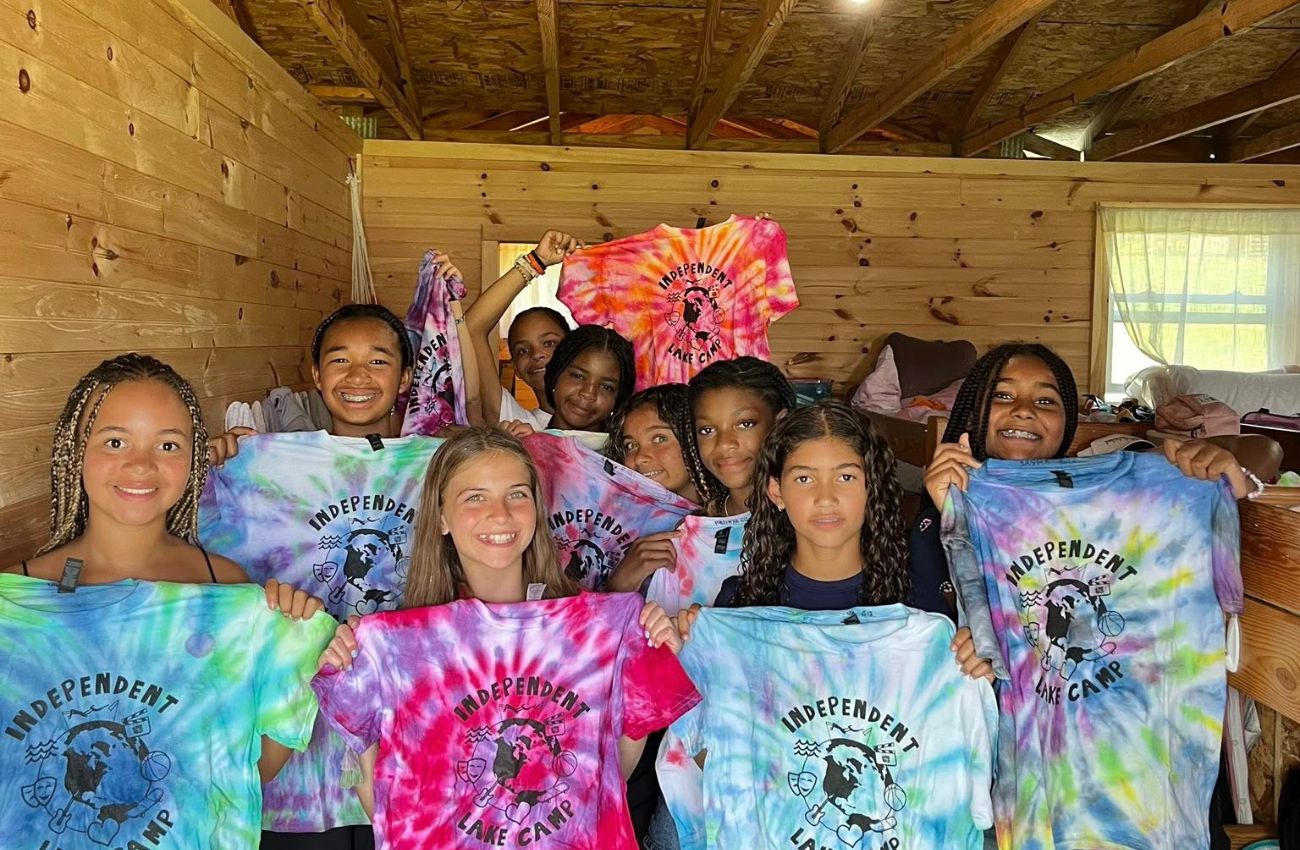
Lead photo courtesy of Independent Lake Camp.