At Benchmark School, Students Learn How to Learn
Benchmark School’s renowned program uniquely equips students with dyslexia, ADHD, and other learning differences to become successful and self-confident students
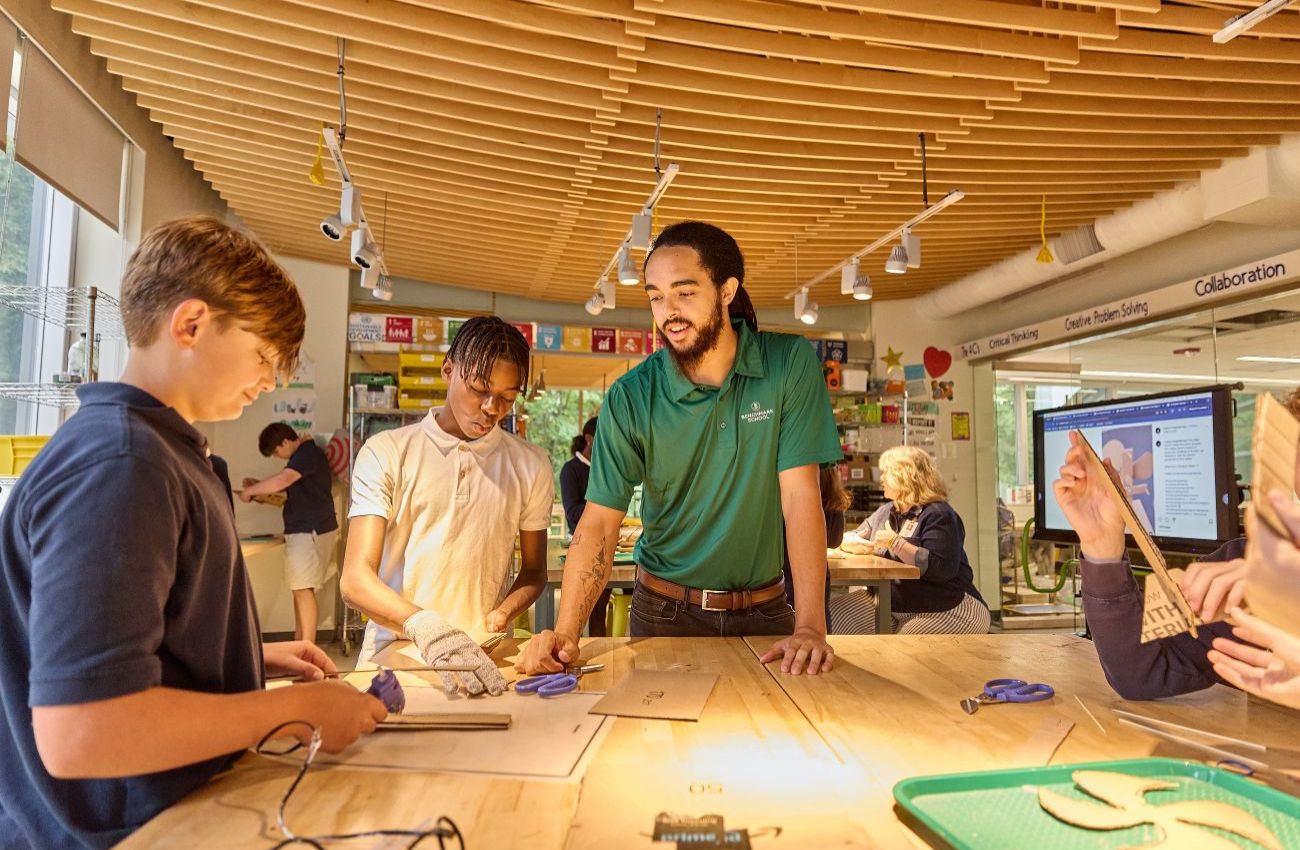
If your child has dyslexia, ADHD, or other learning differences, we encourage you to investigate Benchmark School. Located in Media, Benchmark School has been the region’s premier school supporting students in grades 1-8 with learning differences since 1970.
Benchmark has long been a pioneer in literacy education, well-known for its evidence-based approach. While recognizing the importance of reading as a foundation, Benchmark is also deeply intentional about teaching students executive function skills.

Why Executive Function Skills Matter So Much
Success in school depends on mastery of executive function skills, such as initiating tasks, sustaining attention, planning, and being flexible. Students need an array of strong executive function skills to learn well. That’s why Benchmark School infuses classroom experiences with both foundational and advanced executive function skills. These skills include:
- Response Inhibition
- Working Memory
- Emotional Control
- Flexibility
- Sustained Attention
- Task Initiation
- Planning/Prioritizing
- Organization
- Time Management
- Goal-Directed Persistence
- Metacognition
Unfortunately, many other schools do not make a point of teaching the executive function skills required for school success. Often, there is an assumption that students have, at some time earlier in their school experience, already learned the executive function skills they need to complete assigned tasks, such as how to take notes, study, take tests, and complete long-term projects.

The Benchmark Difference: Teaching How to Learn
One of the many things that sets Benchmark School apart from its peers is its emphasis on teaching students how to learn and to take charge of their own education. At Benchmark, children are taught to understand themselves as learners, and to recognize their strengths and preferences, and to employ the strategies that aid their success. With this self-knowledge, students build confidence and speak up for their needs.
“At Benchmark School, our unique approach is set within a warm and supportive community, and teaches children how to be critical thinkers with excellent emotional, social, and decision-making skills.”
– Chris Hancock, Head of School
How to Visit Benchmark School
Parents and guardians can attend an open house, a Saturday small group tour, or a private tour.
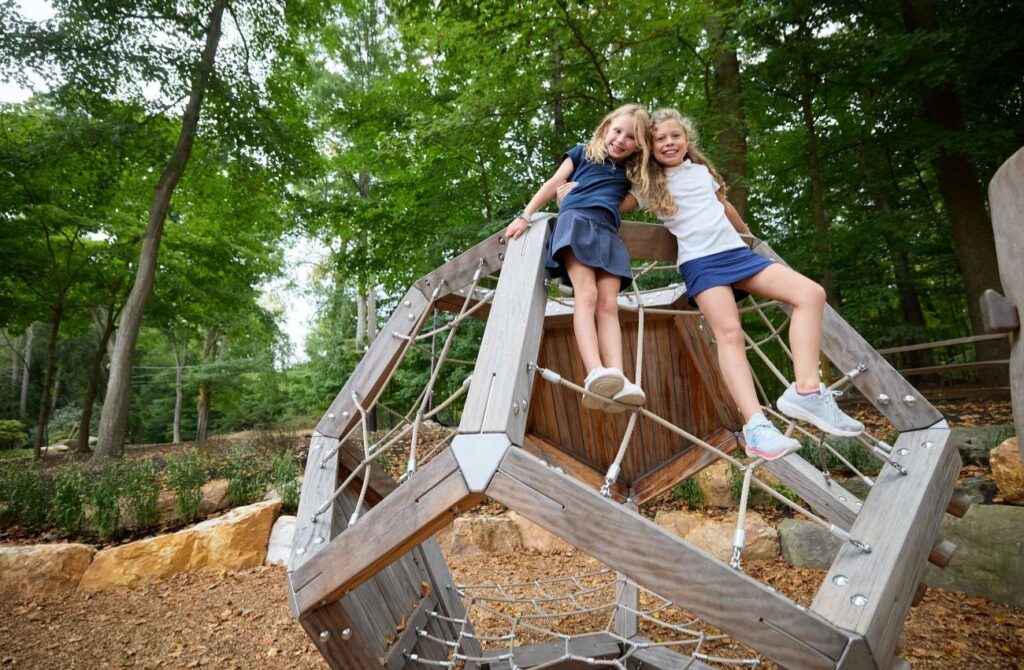
Open houses at Benchmark School feature informative Q&A panel sessions with parents, students, alumni, faculty, and administrators. Attendees will hear presentations by the Head of School and Division Heads, who provide insight into Benchmark’s unique educational approach. These leaders explain how the school’s methods transform students’ futures, setting them up for long-term success. Guided tours allow visitors to see the warm classroom environments and wooded campus.
Saturday small group tours cater to those considering placement for the current school year (1st through 6th grade) or the upcoming academic year (rising 1st through 7th grade). To ensure a personalized experience, Benchmark limits each tour to five families, with two time slots available: 9–10:30 am or 11–12:30 pm.
Connect with Benchmark Admissions and investigate a visit.
Photos courtesy of Benchmark School as seen in the Main Line Parent Fall Education Guide. This story supports the Main Line Parent Community. Collaborate with us.